A 10-Minute Endoscopic Rescue: Saving a Kitten from a Gastric Foreign Body
“Xiaoman” is a 1.5-month-old male British Shorthair kitten. What was meant to be a warm and ordinary feeding moment quickly turned into an accident: the playful kitten suddenly lunged at the feeding bottle, bit off the rubber teat, and swallowed it whole.
At first, Xiaoman showed no obvious abnormalities—his appetite and energy level appeared normal. However, knowing that a foreign body entering the gastrointestinal tract could lead to serious consequences, the owner immediately brought him to a veterinary hospital for evaluation.
01 Accurate Diagnosis: Imaging Identifies a Hidden Gastric Risk
Upon admission, the veterinarian first performed a routine physical examination. Xiaoman was alert, eating normally, and his vital signs—including temperature, pulse, and respiration (TPR)—were all within normal ranges. No visible abnormalities were detected on initial assessment.
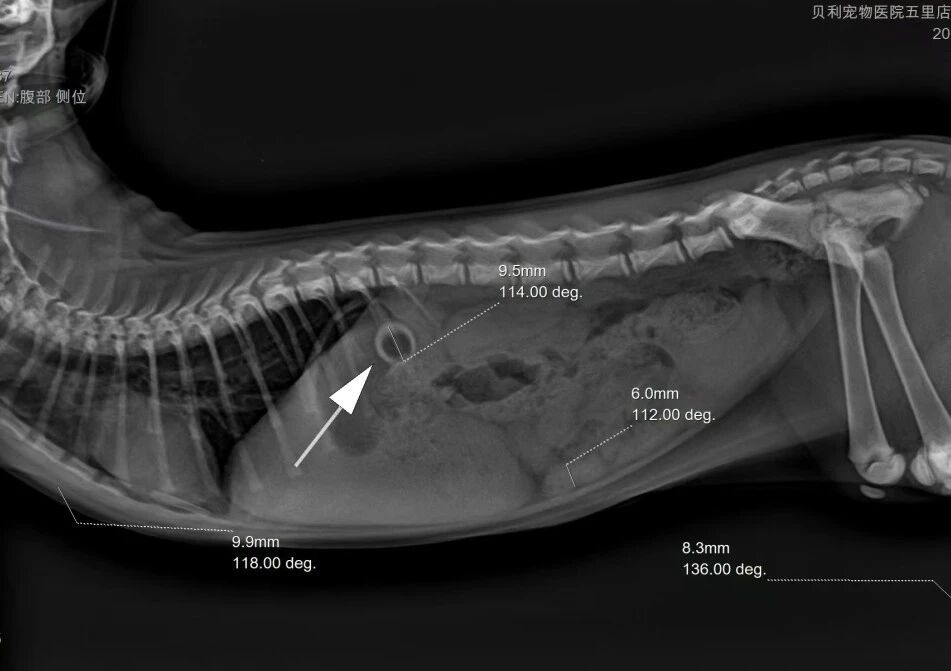
To further assess potential risks, diagnostic imaging was conducted. The results clearly revealed a high-density shadow within the stomach. Combined with the owner’s description of the kitten biting and swallowing the bottle teat, the veterinarian made a precise diagnosis: a typical case of gastric foreign body ingestion.
Although Xiaoman was not yet showing signs of discomfort, prolonged retention of the foreign object could lead to mucosal injury, obstruction, or even perforation, making prompt intervention essential.
02 Minimally Invasive Treatment: Non-Surgical Removal to Protect a Young Life
Given Xiaoman’s young age and low body weight, traditional open abdominal surgery posed significant trauma and risk. The medical team therefore adopted a “minimally invasive first” treatment strategy. Using professional endoscopic techniques suitable for young kittens, the foreign body was directly removed from the stomach under anesthesia.
The entire procedure lasted approximately 10 minutes. With precise localization and careful manipulation, the veterinarian successfully retrieved the rubber teat intact. Xiaoman’s vital signs remained stable throughout the procedure, and he recovered quickly from anesthesia—avoiding large surgical incisions and a prolonged recovery period.
Postoperatively, a detailed care plan was implemented. Medications were administered to protect the gastric mucosa and prevent minor injury caused by the foreign body. A highly digestible prescription diet was also introduced to support gradual gastrointestinal recovery. Xiaoman has since regained his lively demeanor and continues to grow healthily.
03 Key Takeaways: Early Detection and Professional Strategy Are Crucial
The successful outcome of this case can be attributed to two core factors:
Accurate Diagnosis
Diagnostic imaging rapidly identified the high-density gastric foreign body (the bottle teat), clearly defining its location and potential risk, and providing a reliable foundation for targeted treatment.
Minimally Invasive Treatment Philosophy
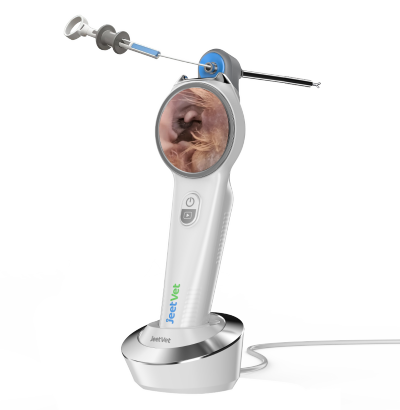
Considering the special physiological characteristics of young kittens, the least traumatic removal method—such as the use of JeetVet veterinary endoscopy—was prioritized. This approach avoided surgical trauma and complications while significantly shortening recovery time, truly achieving minimal injury with maximum protection.
04 Veterinary Advice: Don’t Overlook These Details
Xiaoman’s good fortune was made possible by his owner’s prompt response. More importantly, preventing similar incidents is key. JeetVet Medical reminds pet owners to carefully store and manage potential hazards, especially in households with young kittens or puppies.
High-risk items commonly ingested by young pets include:
- ▪️Feeding accessories: bottle teats, bottle caps, snack packaging (young pets are often attracted to soft objects)
- ▪️Household items: rubber bands, small toy parts (bells, plastic eyes), paper clips
- ▪️Hazardous objects: coins, button batteries, cleaning agents, and medications
Proper prevention is the first and most important step in safeguarding young lives.