Seeing Clearly, Caring Deeply, Your Partner in Animal Health

Seeing Animal Health Clearly
Home / All
Blog
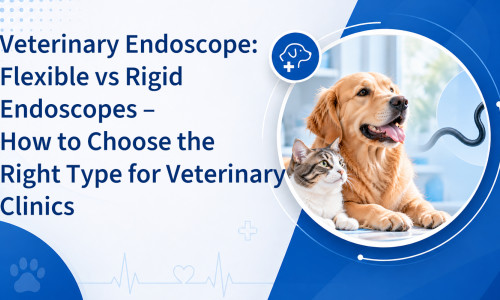
 Veterinary Endoscope: Flexible vs. Rigid Endoscopes – How to Choose the Right Type for Veterinary ClinicsNov 6,2026Esophageal disorders can affect a dog's or cat's ability to swallow food and water normally. Clinical signs such as regurgitation, difficulty swallowing, excessive drooling, and repeated attempts to swallow may indicate an underlying esophageal problem.
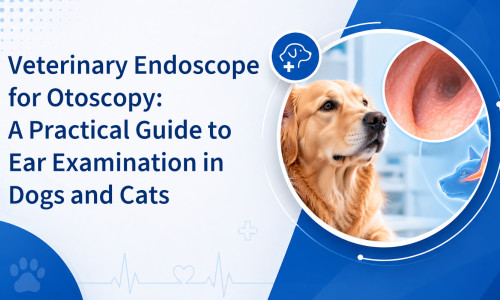
- Veterinary Endoscope for Otoscopy: A Practical Guide to Ear Examination in Dogs and CatsNov 4,2026Ear problems are among the common reasons dogs and cats visit veterinary clinics. From persistent scratching and head shaking to ear discharge, unpleasant odors, and recurrent inflammation, ear conditions can affect an animal's comfort and quality of life.
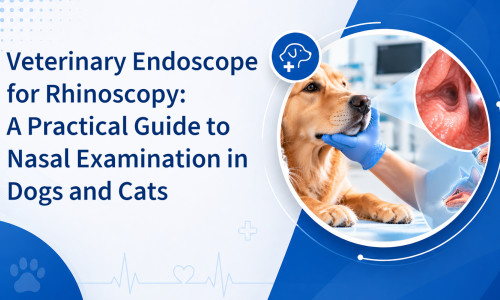
- Veterinary Endoscope for Rhinoscopy: A Practical Guide to Nasal Examination in Dogs and CatsOct 30,2026Nasal disorders are common reasons for veterinary consultations in dogs and cats. Persistent sneezing, nasal discharge, nosebleeds, and noisy breathing may indicate underlying conditions that require further investigation.
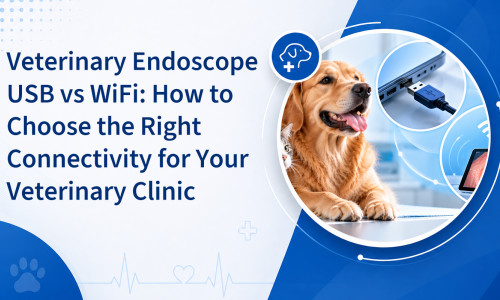
- Veterinary Endoscope USB vs WiFi: How to Choose the Right Connectivity for Your Veterinary ClinicOct 28,2026When choosing a veterinary endoscope, image quality, insertion tube diameter, working length, and instrument compatibility are important considerations. However, another factor can significantly influence daily clinical workflows: connectivity.
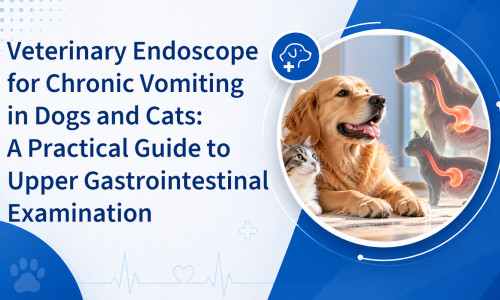
- Veterinary Endoscope for Chronic Vomiting in Dogs and Cats: A Practical Guide to Upper Gastrointestinal ExaminationOct 23,2026Chronic vomiting is a common reason for veterinary consultations in dogs and cats. While occasional vomiting may have a relatively simple explanation, persistent or recurrent episodes can indicate underlying gastrointestinal or systemic disorders that require further investigation.
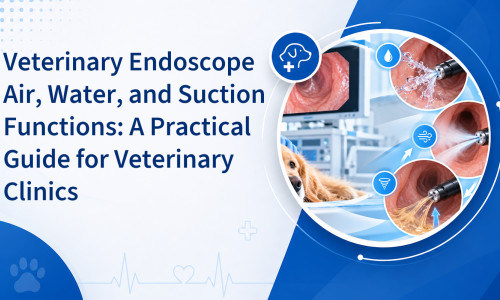
- Veterinary Endoscope Air, Water, and Suction Functions: A Practical Guide for Veterinary ClinicsOct 21,2026Modern veterinary endoscopy involves more than obtaining clear images of internal anatomy. During gastrointestinal examinations, veterinarians often need to maintain visibility, manage fluids, and create sufficient space to observe mucosal surfaces.
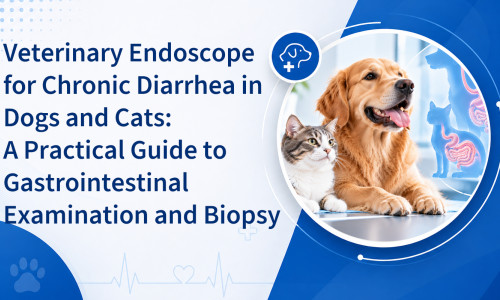
- Veterinary Endoscope for Chronic Diarrhea in Dogs and Cats: A Practical Guide to Gastrointestinal Examination and BiopsyOct 16,2026Chronic diarrhea is a common clinical concern in dogs and cats. When gastrointestinal symptoms persist or recur despite initial management, veterinarians may need additional diagnostic information to identify the underlying cause and develop an appropriate treatment plan.
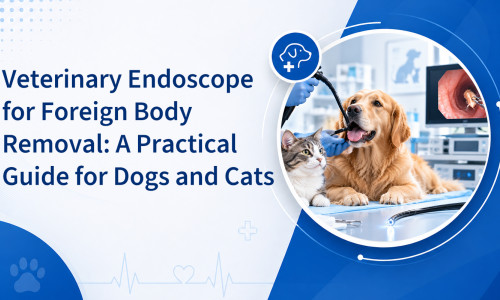
- Veterinary Endoscope for Foreign Body Removal: A Practical Guide for Dogs and CatsOct 9,2026Dogs and cats are naturally curious, and they may swallow objects that are not intended to be eaten.
- How to Choose a Veterinary Endoscope in 2026: 10 Key Factors for Veterinary ClinicsSep 30,2026Choosing a veterinary endoscope is not simply a matter of comparing image resolution or finding the longest insertion tube.
- Veterinary Endoscope Cleaning and Reprocessing Guide: How to Protect Equipment and Support Safe Clinical UseSep 23,2026Choosing the right veterinary endoscope is only part of building an effective endoscopy workflow.
- Veterinary Endoscope for Bronchoscopy: A Practical Guide to Respiratory Examination in Dogs and CatsSep 18,2026Persistent coughing, abnormal breathing sounds, unexplained respiratory signs, and suspected airway disease are common reasons for veterinary respiratory investigation.
- Veterinary Endoscope Working Length Guide: How to Choose the Right Length for Different AnimalsSep 16,2026When choosing a veterinary endoscope, image quality and insertion tube diameter often receive the most attention.
Blog group
Are you looking for a reliable Veterinary Endoscope Manufacturer?
We can quickly provide customers with market analysis, technical support and customized services.Please send your message to us
- *Name
- *Phone
- *Title
- *Content