Seeing Clearly, Caring Deeply, Your Partner in Animal Health

Seeing Animal Health Clearly
Veterinary Articles
 When Does a Horse Need an Endoscopy? Common Signs and Clinical ApplicationsSep 11,2026Horses cannot tell us where discomfort originates, and many respiratory and gastrointestinal problems can initially produce subtle or nonspecific signs.
- Veterinary Endoscope for Equine Gastroscopy: A Practical Guide to Gastric Examination in HorsesSep 9,2026Gastric health is an important consideration in equine medicine, particularly in horses with changes in appetite, body condition, behavior, or performance.
- Veterinary Endoscope for Rhinoscopy: A Practical Guide to Nasal Examination in Dogs and CatsAug 21,2026Persistent sneezing, nasal discharge, nosebleeds, and abnormal breathing are common reasons for dogs and cats to be presented for veterinary examination.
- Veterinary Endoscope for Biopsy: How Endoscopic Sampling Supports More Accurate DiagnosisAug 14,2026Direct visualization is one of the greatest advantages of a veterinary endoscope, but modern veterinary endoscopy can do much more than simply allow clinicians to look inside the body.
- Veterinary Endoscope for Cats: How Gastroscopy Helps Investigate Chronic VomitingAug 7,2026Chronic vomiting is a common but sometimes challenging clinical problem in cats. Occasional vomiting may be associated with dietary changes or hairballs, but repeated or persistent episodes can indicate underlying gastrointestinal disease that requires further investigation.
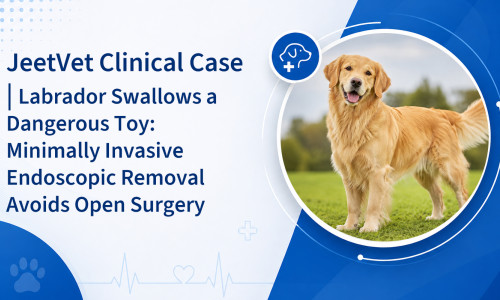
- JeetVet Clinical Case | Labrador Swallows a Dangerous Toy: Minimally Invasive Endoscopic Removal Avoids Open SurgeryAug 5,2026When a dog accidentally swallows a foreign object, every second can matter. Delayed treatment may result in gastrointestinal obstruction, tissue damage, perforation, or other life-threatening complications.
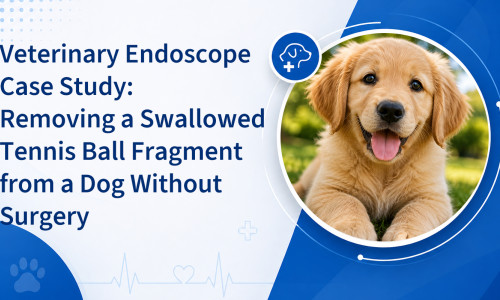
- Veterinary Endoscope Case Study: Removing a Swallowed Tennis Ball Fragment from a Dog Without SurgeryJul 24,2026Foreign body ingestion is one of the most common emergencies encountered in small animal practice. Dogs, particularly young and active breeds, often chew and accidentally swallow pieces of toys, balls, or household objects.
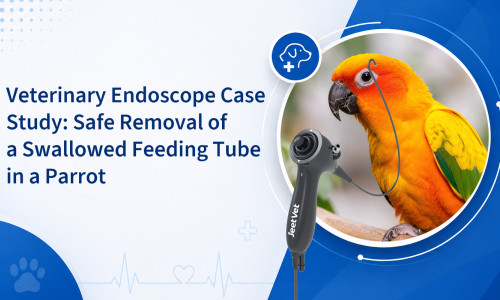
- Veterinary Endoscope Case Study: Safe Removal of a Swallowed Feeding Tube in a ParrotJul 1,2026Foreign body ingestion is not limited to dogs and cats. In exotic pet medicine, birds are naturally curious and frequently investigate their surroundings with their beaks, making accidental ingestion a common emergency.
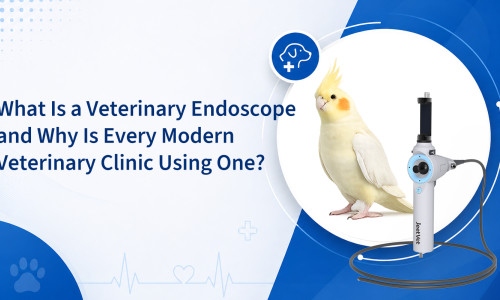
- What Is a Veterinary Endoscope and Why Is Every Modern Veterinary Clinic Using One?Jun 12,2026As veterinary medicine continues to evolve, advanced diagnostic technologies are becoming essential for improving patient care.
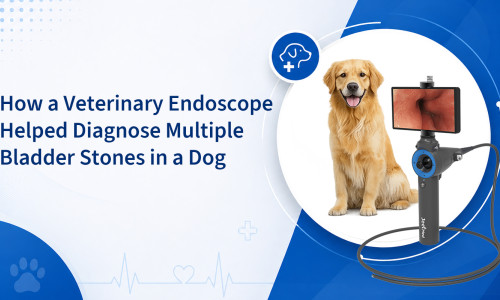
- How a Veterinary Endoscope Helped Diagnose Multiple Bladder Stones in a DogJun 5,2026Hematuria, or blood in the urine, is a common clinical sign in dogs and can be caused by urinary tract infections, bladder inflammation, tumors, or urinary stones.
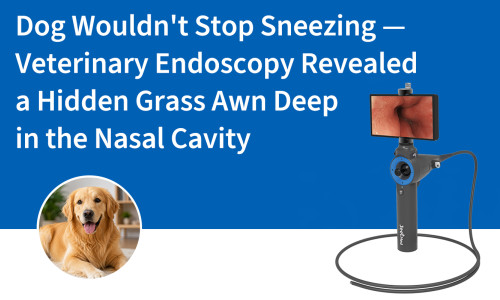
- Dog Wouldn't Stop Sneezing — Veterinary Endoscopy Revealed a Hidden Grass Awn Deep in the Nasal CavityJun 3,2026Persistent sneezing in dogs is often attributed to allergies, respiratory infections, or environmental irritants. However, in some cases, the underlying cause may be a nasal foreign body hidden deep within the nasal passages.
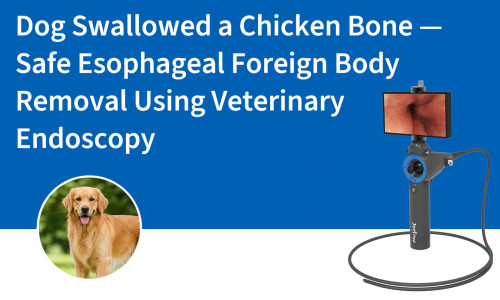
- Dog Swallowed a Chicken Bone — Safe Esophageal Foreign Body Removal Using Veterinary EndoscopyMay 29,2026Foreign body ingestion is one of the most common emergencies encountered in small animal practice.

Blog group
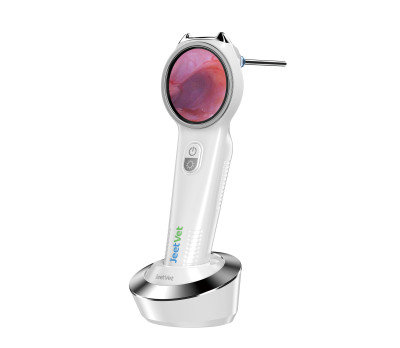
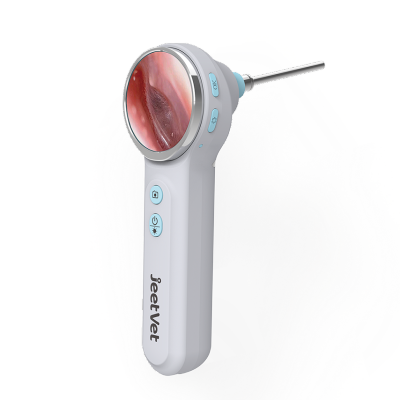
Are you looking for a reliable Veterinary Endoscope Manufacturer?
We can quickly provide customers with market analysis, technical support and customized services.Please send your message to us
- *Name
- *Phone
- *Title
- *Content