Cat Ear Polyp Removal Using Veterinary Otoscope — Minimally Invasive and Fast Recovery
Ear canal polyps are a common cause of chronic ear discomfort in cats. If left untreated, they may lead to persistent scratching, inflammation, balance problems, and even hearing impairment.
This case demonstrates how a veterinary otoscope enabled precise and minimally invasive removal of an ear canal polyp through the natural ear canal, avoiding traumatic surgery and allowing rapid recovery.
Case Background
- Species: Cat
- Gender: Female
Chief Complaint
- Persistent ear scratching
- Frequent ear discomfort
- Unsteady walking and balance issues
The owner reported that the cat continuously scratched the affected ear and showed instability while walking.
Clinical Challenge
Ear canal polyps are challenging because:
- The ear canal is narrow and deep
- Blind removal may damage surrounding tissues
- Poor visualization increases complication risks
Traditional surgery often causes larger tissue trauma and longer recovery time.
Accurate visualization is essential for safe and effective treatment.
Endoscopic Ear Examination
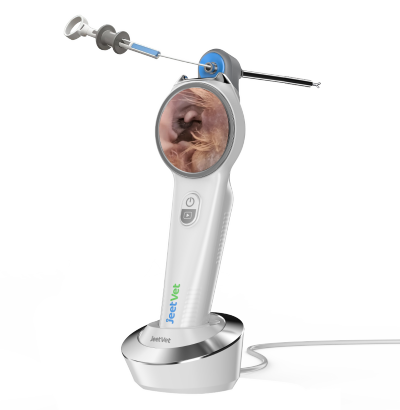
The veterinary team performed an ear canal examination using the JeetVet RAE-500 veterinary otoscope.
- ▪️Otoscope inserted directly into the ear canal
- ▪️High-definition visualization of ear structures
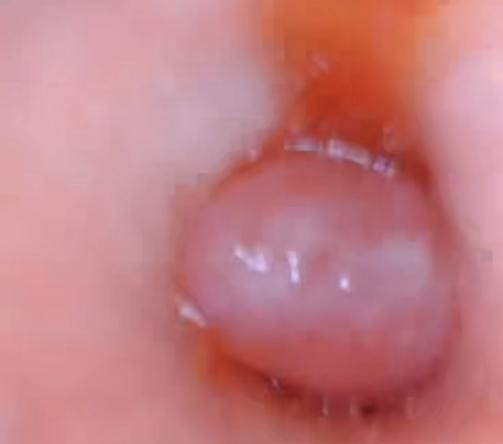
- ▪️Identification of the polyp tissue
- ▪️Protective sheath with working channel attached
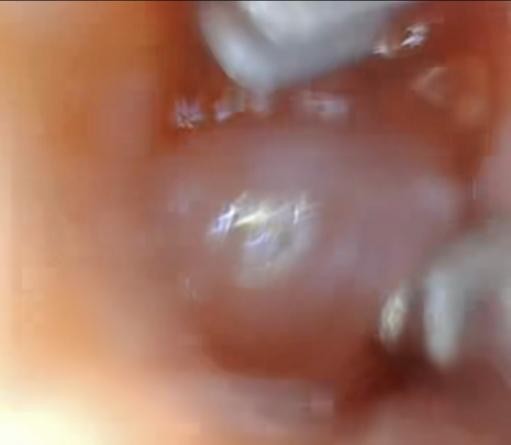
- ▪️Two-jaw endoscopic forceps used for removal
Key Findings
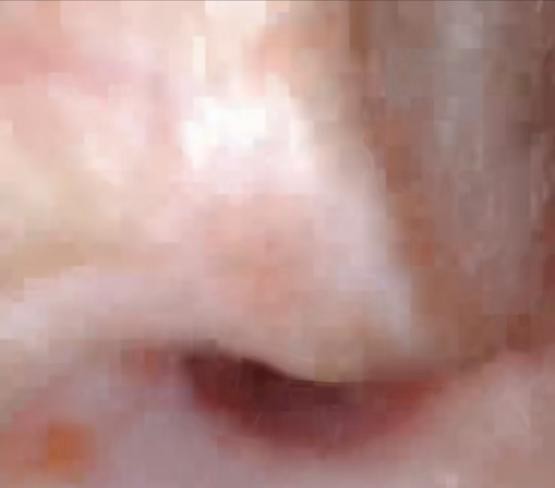
- Polyp tissue located inside the ear canal
- Localized irritation and inflammation
- Partial obstruction of the ear passage
The polyp tissue was successfully removed under direct visualization.
Treatment Outcome
- Minimal tissue trauma
- Rapid postoperative recovery
- Reduced ear discomfort
- Improved walking stability
The cat recovered quickly with minimal postoperative stress.
Advantages of Otoscopic Ear Polyp Removal
1. Clear Visualization & Precise Positioning
The otoscope magnifies internal ear structures, clearly distinguishing:
- Polyps
- Blood vessels
- Normal mucosal tissue
This allows precise targeting of the polyp root while minimizing accidental injury.
2. Minimally Invasive Procedure
- No large external incision required
- Minimal tissue damage
- Reduced bleeding and swelling
3. Faster & Easier Operation
Endoscopic forceps provide flexible manipulation, accurate grasping, and shorter procedure time.
Reduced anesthesia duration lowers stress and procedural risk.
4. Better Tympanic Membrane Protection
Direct visualization helps avoid accidental eardrum injury, reducing the risk of:
- Middle ear infection
- Hearing impairment
- Postoperative complications
5. Faster Recovery
- Reduced postoperative pain
- Shorter healing time
- Lower risk of scar-related narrowing
6. Broad Clinical Applications
Suitable for:
- Ear canal polyps
- Granulation tissue
- Benign proliferative lesions
- Deep ear canal examination
7. Lower Cost & Fewer Complications
- Reduced surgical consumables
- Lower infection risk
- Reduced incidence of adhesions and recurrence
The procedure provides excellent clinical cost-effectiveness for veterinary clinics.
Why Veterinary Otoscopy Matters
Veterinary otoscopy enables:
- ▪️Early diagnosis of ear canal diseases
- ▪️Accurate minimally invasive treatment
- ▪️Better preservation of ear function and hearing
For veterinary clinics, otoscopic procedures also improve diagnostic capability, treatment precision, and client satisfaction.
Conclusion
Ear canal polyps can significantly affect a cat’s comfort and quality of life.
Using a veterinary otoscope for minimally invasive removal provides:
- ▪️Precise visualization
- ▪️Reduced surgical trauma
- ▪️Faster recovery
- ▪️Lower complication rates
Modern veterinary otoscopy is becoming an essential tool for advanced ear disease management in companion animals.