Feline Endoscopy: A Modern Approach to Diagnosing Digestive and Respiratory Issues in Cats
Cats often show vague symptoms—vomiting, coughing, weight loss, or difficulty swallowing—making diagnosis challenging. This is where Feline Endoscopy, powered by advanced Veterinary Endoscope technology, becomes essential. Modern portable systems used in Small Animal Endoscopy allow veterinarians to identify diseases accurately while reducing stress for feline patients.
1. What Is Feline Endoscopy?
Feline endoscopy uses a thin, flexible camera to examine a cat’s digestive or respiratory tract without surgery. Because cats have narrow, sensitive anatomy, the slim design of a Veterinary Endoscope is especially beneficial.
Common Uses of Feline Endoscopy
- ▪️Gastroscopy – examining the stomach and upper GI tract
- ▪️Foreign body retrieval (ribbons, strings, toys)
- ▪️Airway endoscopy for chronic coughing or asthma
- ▪️Esophageal inflammation or obstruction assessment
- ▪️Tissue biopsy for IBD or suspected ulcers
2. Why Endoscopy Is So Valuable for Cats
Cats hide discomfort well, making internal diseases difficult to detect early. Endoscopy provides real-time visualization that X-rays and ultrasound cannot match.
Key Benefits for Feline Patients
- ▪️Minimally invasive, no surgical incision
- ▪️Fast recovery—most cats go home the same day
- ▪️High-detail mucosal visualization for accurate diagnosis
- ▪️Ideal for chronic or unexplained GI/respiratory symptoms
3. How Portable Veterinary Endoscopes Improve Feline Care
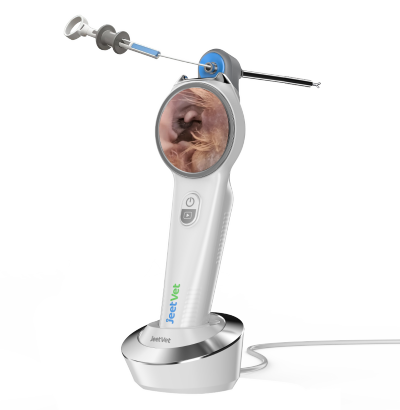
Modern portable systems—such as those developed by JeetVet—are designed specifically for small-animal veterinarians who work with delicate feline anatomy.
Advantages for Clinics
- ▪️Slim insertion tubes suitable for small cats and kittens
- ▪️Lightweight and easy to maneuver
- ▪️High-definition imaging for accurate evaluation
- ▪️USB and WiFi models compatible with laptops or tablets
- ▪️Multiple lengths available for different feline procedures
Explore portable endoscopes for cats here:
JeetVet Portable Veterinary Endoscopes
4. How a Typical Feline Endoscopy Procedure Works
Before the Procedure
- ▪️Fasting for 8–12 hours
- ▪️Light anesthesia for safety and comfort
During the Procedure
- ▪️The endoscope is inserted gently through the mouth or nose
- ▪️Real-time imaging guides diagnosis
- ▪️Biopsies or foreign body removal can be performed immediately
After the Procedure
- ▪️Cats wake up within 1–3 hours
- ▪️No surgical wounds or extended recovery
5. Why Veterinary Clinics Choose JeetVet Endoscopes
While this article focuses on education, many feline-focused clinics appreciate the practical innovations JeetVet offers:
- ▪️Optimized for small animal and exotic applications
- ▪️Portable instead of bulky tower systems
- ▪️Cost-effective for general and specialty practices
- ▪️Clear imaging and easy digital documentation
▪️JeetVet provides globally supported Veterinary Endoscope solutions designed to make feline diagnostics safer, more precise, and more accessible.
Conclusion
Feline endoscopy has transformed how veterinarians diagnose gastrointestinal and respiratory issues in cats. With the advancement of Small Animal Endoscopy and portable systems, more clinics can now offer minimally invasive, accurate, and cat-friendly diagnostics.