How a Veterinary Endoscope Helped Diagnose Multiple Bladder Stones in a Dog
Hematuria, or blood in the urine, is a common clinical sign in dogs and can be caused by urinary tract infections, bladder inflammation, tumors, or urinary stones. While imaging techniques such as ultrasound and radiography can provide valuable information, direct visualization of the urinary tract often offers a more definitive diagnosis.
This case demonstrates how veterinary cystoscopy enabled the diagnosis and evaluation of multiple bladder stones in a dog, helping veterinarians develop an accurate treatment plan while minimizing patient trauma.
Case Background
- Species: Dog
- Gender: Female
- Age: 6 Years Old
Chief Complaint
- Blood in the urine
- Frequent urination
- Straining to urinate
- Signs of discomfort during urination
- Reduced activity level
The owner reported that symptoms had persisted for several weeks despite antibiotic treatment.
Clinical Challenge
Urinary tract diseases often present with similar clinical signs, making diagnosis challenging without direct visualization.
Possible differential diagnoses included:
- ▪️Bladder stones
- ▪️Urinary tract infection
- ▪️Bladder polyps
- ▪️Chronic cystitis
- ▪️Bladder neoplasia
Further investigation was required to determine the exact cause of the patient's symptoms.
Veterinary Cystoscopy Procedure
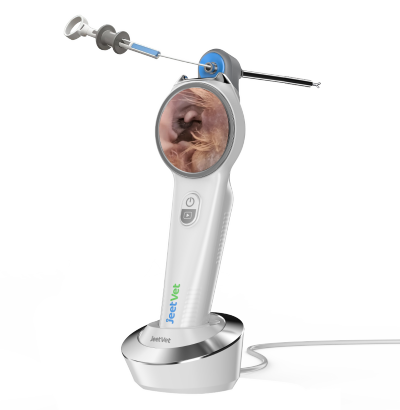
The veterinary team performed cystoscopic examination using the JeetVet RAE-109 portable veterinary endoscope.
- ▪️Patient placed under general anesthesia
- ▪️Endoscope inserted through the urethra
- ▪️Systematic examination of the urethra and bladder
- ▪️Assessment of bladder mucosa
- ▪️Identification of urinary calculi
The procedure provided direct visualization of the entire lower urinary tract.
Endoscopic Findings
- Multiple bladder stones identified
- Localized bladder wall inflammation
- Mild mucosal irritation
- No evidence of neoplastic lesions
Several smooth and mineralized calculi were observed within the bladder lumen.
The bladder mucosa showed inflammatory changes associated with chronic irritation caused by the stones.
Why Veterinary Cystoscopy Was Critical
1. Direct Visualization of the Bladder
Unlike imaging alone, cystoscopy enabled:
- Real-time visualization of bladder stones
- Assessment of mucosal health
- Identification of inflammatory lesions
2. Improved Diagnostic Accuracy
- Confirmed stone presence
- Excluded bladder tumors
- Provided valuable treatment-planning information
3. Minimally Invasive Assessment
The procedure avoided exploratory surgery while providing comprehensive diagnostic information.
Veterinary Cystoscopy vs Traditional Diagnostic Methods
| Comparison | Veterinary Cystoscopy | Conventional Imaging |
|---|---|---|
| Visualization | Direct internal view | Indirect imaging |
| Mucosal Assessment | Excellent | Limited |
| Stone Identification | Direct confirmation | Possible |
| Biopsy Capability | Yes | No |
| Diagnostic Accuracy | High | Moderate |
How JeetVet Endoscope Helped
The JeetVet RAE-109 portable veterinary endoscope provided several advantages during the procedure:
- ▪️High-definition image quality for detailed bladder examination
- ▪️Flexible insertion for navigating the urinary tract
- ▪️Portable operation without bulky processors
- ▪️Real-time image display on phone or computer
- ▪️Working channel for biopsy and treatment instruments
Suitable applications include:
- Cystoscopy
- Urinary stone evaluation
- Hematuria investigation
- Urinary tract biopsy
- Lower urinary tract diagnostics
Treatment Outcome
- Bladder stones successfully diagnosed
- Treatment options discussed with the owner
- Targeted management plan established
- Clinical signs improved following treatment
The patient experienced significant improvement after appropriate stone management.
Clinical Value of Veterinary Endoscopy
Veterinary cystoscopy is becoming an increasingly important tool in modern veterinary medicine.
- ▪️Accurate diagnosis of urinary disorders
- ▪️Minimally invasive examination
- ▪️Improved treatment planning
- ▪️Enhanced patient care
- ▪️Reduced diagnostic uncertainty
Portable endoscopy systems allow veterinary clinics to expand their diagnostic capabilities while improving clinical efficiency.
Conclusion
Blood in the urine should never be ignored, as it may indicate serious urinary tract disease.
Veterinary cystoscopy provides a safe and highly effective method for diagnosing bladder disorders, enabling direct visualization, improved diagnostic accuracy, and minimally invasive patient care.
Portable systems such as the JeetVet RAE-109 veterinary endoscope are helping veterinarians deliver more precise urinary tract diagnostics and better clinical outcomes.