How to Choose the Right Veterinary Endoscope Insertion Tube Diameter
Selecting the right veterinary endoscope involves more than choosing a high-definition camera or a portable system. One of the most important factors is the insertion tube diameter, as it directly affects which animal species can be examined, the types of procedures that can be performed, and overall patient safety.
Whether your clinic treats dogs, cats, birds, or exotic pets, choosing an appropriate insertion tube diameter helps improve maneuverability, diagnostic accuracy, and procedural efficiency.
Why Does Insertion Tube Diameter Matter?
The insertion tube is the flexible portion of a veterinary endoscope that enters the patient's body. Its diameter influences:
- Which species can be examined safely
- Access to narrow anatomical structures
- Patient comfort
- Compatibility with biopsy or retrieval instruments
- Clinical versatility
Choosing a tube that is too large may limit access in small patients, while an excessively small tube may not provide the working channel required for certain procedures.
Small-Diameter Veterinary Endoscopes
Slim insertion tubes are commonly selected for:
- Birds
- Cats
- Small dog breeds
- Rabbits
- Ferrets
- Other exotic pets
These endoscopes are particularly useful for examining narrow anatomical passages such as the nasal cavity or upper gastrointestinal tract in smaller patients.
Medium-Diameter Veterinary Endoscopes
Medium-diameter veterinary endoscopes provide an excellent balance between flexibility and functionality. They are commonly used in:
- Medium-sized dogs
- Routine gastroscopy
- Foreign body retrieval
- Biopsy procedures
Many veterinary clinics choose this size because it supports a broad range of daily clinical applications.
Large-Diameter Veterinary Endoscopes
Larger insertion tubes are generally used for:
- Large dog breeds
- Advanced gastrointestinal procedures
- Cases requiring larger working channels
A larger working channel allows the use of a wider range of accessories, including retrieval devices and biopsy forceps.
Balancing Diameter and Working Channel Size
When selecting a veterinary endoscope, diameter should always be considered together with working channel size.
A suitable working channel supports procedures such as:
- Foreign body retrieval
- Targeted biopsy
- Cytology sampling
- Bronchoalveolar lavage (BAL)
Clinics should choose a configuration that matches the procedures they perform most frequently.
Questions to Ask Before Purchasing
- What animal species do you treat most often?
- Will the endoscope primarily be used for diagnosis or also for treatment?
- Do you require biopsy capability?
- Will you frequently perform foreign body removal?
- Does your clinic also treat birds or exotic animals?
Answering these questions can help narrow the most appropriate veterinary endoscope configuration for your practice.
How JeetVet Supports Different Clinical Needs
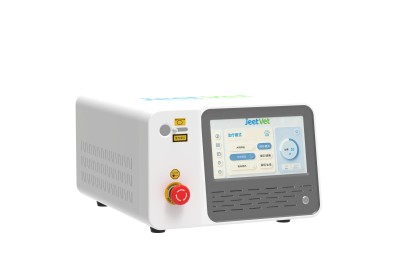
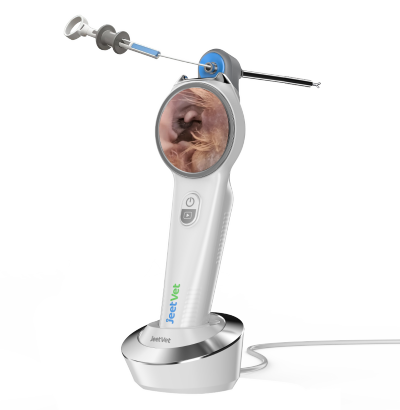
JeetVet offers a range of portable veterinary endoscope solutions designed to meet the needs of companion animal and exotic animal practices. Different models and insertion tube configurations allow veterinarians to choose equipment based on patient size, procedure type, and clinical workflow.
With high-definition imaging, flexible maneuverability, and compatibility with a variety of endoscopic accessories, JeetVet systems help clinics perform accurate and efficient minimally invasive examinations.
Conclusion
Choosing the correct insertion tube diameter is an important step when selecting a veterinary endoscope. The right configuration improves accessibility, enhances procedural efficiency, and helps veterinarians provide safer and more effective care for a wide variety of animal patients.
By matching the endoscope to the clinic's most common procedures and patient population, veterinary professionals can maximize the value of their endoscopic investment while expanding their diagnostic capabilities.