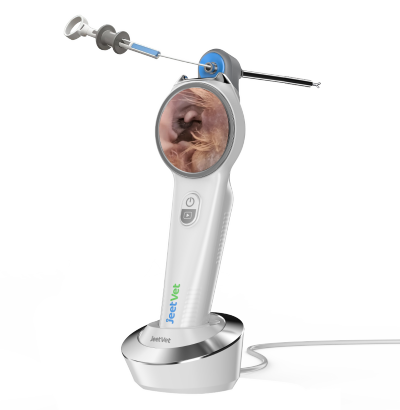
How to Choose the Right Veterinary Endoscope for Your Clinic: A Complete Buying Guide
As demand for minimally invasive veterinary procedures continues to grow, more clinics are investing in a veterinary endoscope to expand their diagnostic and treatment capabilities.
However, selecting the right veterinary endoscope can be challenging. With various models, specifications, and features available on the market, veterinary professionals must carefully evaluate their clinical needs before making an investment.
This guide explains the key factors to consider when choosing a veterinary endoscope and how the right system can improve clinical efficiency, diagnostic accuracy, and patient outcomes.
Why Is a Veterinary Endoscope Important for Modern Clinics?
A veterinary endoscope allows veterinarians to directly visualize internal organs and body cavities without invasive exploratory surgery.
Modern veterinary endoscopy supports a wide range of procedures, including:
- Foreign body removal
- Gastrointestinal examination
- Respiratory diagnostics
- Rhinoscopy
- Tracheoscopy
- Cystoscopy
- Biopsy procedures
As client expectations increase, advanced diagnostic capabilities have become an important competitive advantage for veterinary clinics.
1. Determine Your Primary Clinical Applications
The first step in choosing a veterinary endoscope is understanding how it will be used in daily practice.
Common applications include:
- Gastrointestinal endoscopy
- Foreign body retrieval
- Respiratory examination
- Urinary tract evaluation
- Biopsy procedures
Clinics focusing on companion animals often prioritize flexible endoscopes for gastrointestinal and respiratory procedures.
2. Evaluate Image Quality
Image quality directly impacts diagnostic accuracy.
A high-quality veterinary endoscope should provide:
- High-definition imaging
- Excellent color reproduction
- Clear mucosal visualization
- Stable illumination
High-resolution images help veterinarians identify subtle lesions, inflammation, bleeding sites, and foreign bodies more accurately.
3. Consider Insertion Tube Diameter and Length
The insertion tube diameter determines which animal species and anatomical structures can be examined.
Smaller diameters are typically preferred for:
- Cats
- Small dogs
- Exotic animals
- Nasal examinations
Longer insertion tubes are usually required for gastrointestinal procedures in medium and large dogs.
4. Choose a Veterinary Endoscope with a Working Channel
A working channel is essential for therapeutic procedures.
It allows veterinarians to introduce instruments such as:
- Foreign body graspers
- Biopsy forceps
- Cytology brushes
- Retrieval baskets
Without a working channel, many minimally invasive procedures cannot be performed.
5. Portability and Ease of Use
Traditional endoscopy systems often require large processors and dedicated workstations.
Portable veterinary endoscopes provide significant advantages:
- Quick setup
- Lightweight design
- Easy transportation
- Reduced equipment footprint
- Improved workflow efficiency
Portable systems are particularly attractive for small and medium-sized veterinary clinics.
6. Consider Total Cost of Ownership
When purchasing a veterinary endoscope, clinics should consider more than the initial purchase price.
Additional factors include:
- Maintenance costs
- Repair expenses
- Accessory compatibility
- Training requirements
- Expected service life
A cost-effective veterinary endoscope should provide long-term clinical value and reliable performance.
Features to Look for in a Modern Veterinary Endoscope
| Feature | Why It Matters |
|---|---|
| HD Imaging | Improves diagnostic accuracy |
| Working Channel | Supports biopsy and treatment |
| Flexible Articulation | Improves maneuverability |
| Portable Design | Enhances workflow efficiency |
| Multi-device Connectivity | Simplifies clinical operation |
| Durable Construction | Reduces maintenance costs |
How JeetVet Veterinary Endoscopes Meet Clinical Needs
JeetVet portable veterinary endoscope systems are designed specifically for companion animal practice.
Key advantages include:
- High-definition imaging technology
- 360° rotation control
- Integrated water and air supply systems
- Portable and lightweight design
- Compatibility with smartphones, tablets, and computers
- Support for foreign body removal and biopsy procedures
These features help veterinary clinics perform advanced endoscopic procedures efficiently while improving patient care.
Conclusion
Choosing the right veterinary endoscope is an important decision for any veterinary clinic.
By evaluating image quality, clinical applications, portability, working channel functionality, and long-term costs, veterinarians can select a system that meets both current and future clinical needs.
As minimally invasive veterinary medicine continues to expand, investing in a modern veterinary endoscope can help clinics improve diagnostic capabilities, increase efficiency, and deliver better patient outcomes.