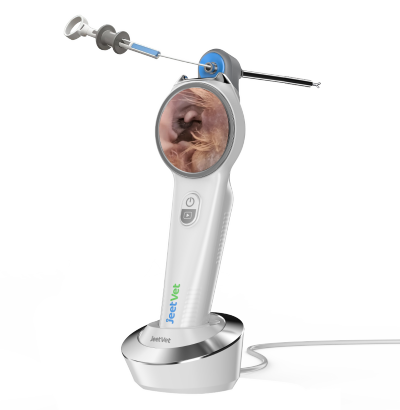
How to Prepare a Dog or Cat for a Veterinary Endoscopy Procedure
A veterinary endoscope has become an essential tool for diagnosing and treating many gastrointestinal, respiratory, and urinary tract conditions in companion animals. Because endoscopy is minimally invasive, it often allows veterinarians to obtain valuable diagnostic information while reducing patient discomfort and recovery time.
However, successful veterinary endoscopy begins long before the procedure itself. Proper preparation helps improve image quality, reduce anesthetic risks, and increase the likelihood of an accurate diagnosis.
This guide explains how veterinarians and pet owners can prepare dogs and cats for a veterinary endoscopy procedure.
Why Preparation Matters
Preparation is an important part of every veterinary endoscopy procedure. Food residue, inadequate fasting, or incomplete patient assessment may reduce visibility and increase procedural risks.
Proper preparation helps:
- Improve visualization
- Reduce aspiration risk
- Shorten procedure time
- Increase diagnostic accuracy
- Enhance patient safety
Step 1: Review the Patient's Medical History
Before scheduling endoscopy, veterinarians should review the animal's medical history, including:
- Current medications
- Previous surgeries
- Existing medical conditions
- Recent vomiting or diarrhea
- History of foreign body ingestion
A complete history helps determine whether veterinary endoscopy is the most appropriate diagnostic approach.
Step 2: Perform a Physical Examination
A thorough physical examination should evaluate:
- Heart rate
- Respiratory function
- Hydration status
- Body condition
- Abdominal discomfort
Additional diagnostic tests such as blood work or radiography may also be recommended before anesthesia.
Step 3: Follow Fasting Guidelines
Fasting requirements vary depending on the patient's age, health status, and the type of endoscopic procedure being performed.
In general, veterinarians may recommend:
- Withholding food before gastrointestinal endoscopy
- Providing access to water until an appropriate time before anesthesia, according to clinical protocols
- Following individualized instructions for young, geriatric, or medically compromised patients
Pet owners should always follow the specific fasting instructions provided by their veterinarian.
Step 4: Prepare for Anesthesia
Most veterinary endoscopy procedures require sedation or general anesthesia to ensure patient comfort and allow accurate examination.
Pre-anesthetic evaluation may include:
- Blood tests
- Cardiac assessment
- Risk evaluation
- Individualized anesthetic planning
Step 5: Understand the Procedure
Owners should understand what will happen during veterinary endoscopy, including:
- Expected procedure duration
- Potential biopsy collection
- Foreign body removal if indicated
- Recovery process
- Post-procedure monitoring
Clear communication helps reduce owner anxiety and supports informed decision-making.
What Happens After Veterinary Endoscopy?
Following recovery from anesthesia, most pets can return home the same day, depending on the procedure performed and the veterinarian's assessment.
Owners should monitor:
- Appetite
- Activity level
- Vomiting or coughing
- Signs of discomfort
Biopsy results, if collected, may require additional time before treatment recommendations are finalized.
How JeetVet Veterinary Endoscopes Support Safe Procedures
JeetVet portable veterinary endoscope systems are designed to help veterinarians perform minimally invasive diagnostic procedures with confidence.
- High-definition imaging for improved visualization
- Flexible insertion tubes for patient comfort
- Working channels for biopsy and foreign body retrieval
- Portable design suitable for companion animal practice
- Compatibility with smartphones, tablets, and computers
These features support efficient examinations while helping veterinary professionals deliver accurate diagnoses and high-quality patient care.
Conclusion
Proper preparation is an essential part of every successful veterinary endoscope procedure. Careful patient evaluation, appropriate fasting, anesthetic planning, and owner communication all contribute to better diagnostic results and safer outcomes.
As veterinary endoscopy continues to play a growing role in companion animal medicine, well-prepared patients and modern endoscopic equipment help veterinarians provide efficient, minimally invasive care with confidence.