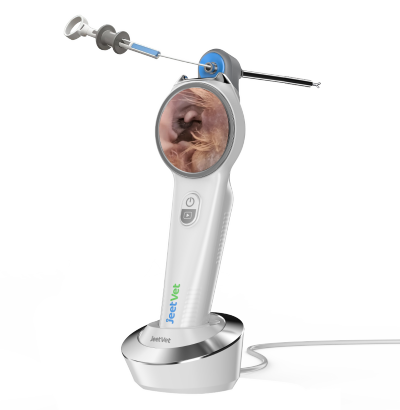
Portable Veterinary Endoscope: Why More Clinics Are Choosing Compact Endoscopy Systems
As veterinary medicine continues to evolve, clinics are increasingly seeking diagnostic tools that are efficient, versatile, and easy to operate. One technology rapidly gaining popularity is the portable veterinary endoscope.
Unlike traditional endoscopy systems that often require bulky processors and dedicated workstations, a portable veterinary endoscope provides veterinarians with greater flexibility while maintaining excellent diagnostic capabilities.
Today, portable endoscopy systems are transforming the way companion animal clinics perform minimally invasive procedures.
What Is a Portable Veterinary Endoscope?
A portable veterinary endoscope is a compact imaging system designed to examine internal organs and body cavities in animals without invasive exploratory surgery.
Modern portable systems typically include:
- High-definition imaging sensors
- Integrated illumination systems
- Flexible insertion tubes
- Working channels for instruments
- Mobile-compatible display platforms
These systems allow veterinarians to perform diagnostic and therapeutic procedures in a wide variety of clinical settings.
Why Are Portable Veterinary Endoscopes Becoming More Popular?
1. Increased Clinical Flexibility
Portable systems can easily be moved between examination rooms, treatment areas, and operating suites.
This flexibility helps clinics optimize workflow and improve efficiency.
2. Faster Setup Time
Traditional endoscopy towers often require complex installation and preparation.
Portable veterinary endoscope systems typically offer:
- Rapid startup
- Simplified operation
- Reduced equipment preparation time
3. Space-Saving Design
Many small and medium-sized veterinary clinics operate with limited clinical space.
Compact portable systems help maximize available workspace without compromising diagnostic capabilities.
Common Applications of Portable Veterinary Endoscopes
Modern portable veterinary endoscopes support a wide range of procedures in companion animal medicine.
Gastrointestinal Endoscopy
- Foreign body removal
- Chronic vomiting investigation
- Gastric ulcer diagnosis
- Biopsy procedures
Respiratory Endoscopy
- Rhinoscopy
- Tracheoscopy
- Bronchoscopy
- Chronic cough investigation
Urinary Tract Examination
- Cystoscopy
- Hematuria evaluation
- Bladder stone diagnosis
Portable Veterinary Endoscope vs Traditional Endoscopy System
| Feature | Portable Veterinary Endoscope | Traditional System |
|---|---|---|
| Portability | Excellent | Limited |
| Setup Time | Fast | Longer |
| Equipment Footprint | Compact | Large |
| Mobility | High | Low |
| Ease of Operation | User-friendly | More complex |
Key Features to Consider When Choosing a Portable Veterinary Endoscope
- High-definition image quality
- Flexible maneuverability
- Working channel availability
- Portable design
- Device compatibility
- Durability and reliability
Selecting a system with these features can significantly improve both diagnostic performance and clinical workflow.
How JeetVet Portable Veterinary Endoscopes Support Clinical Practice
JeetVet develops portable veterinary endoscope systems designed specifically for companion animal and exotic animal medicine.
JeetVet systems offer:
- High-definition imaging technology
- 360° rotation control
- Integrated water and air supply systems
- Working channel compatibility
- Smartphone, tablet, and computer connectivity
- Portable and lightweight operation
These features enable veterinary professionals to perform advanced minimally invasive procedures while improving patient outcomes and clinical efficiency.
Conclusion
The portable veterinary endoscope is becoming an essential tool in modern veterinary medicine.
By combining portability, advanced imaging, and minimally invasive capabilities, portable systems help veterinary clinics expand services, improve workflow, and provide better patient care.
As demand for advanced diagnostics continues to grow, portable veterinary endoscope systems will play an increasingly important role in companion animal healthcare.