Respiratory Endoscopy: A Practical Guide for Small Animal Airway Diagnostics
Respiratory disease — chronic cough, noisy breathing, nasal discharge or unexplained dyspnea — is a common and sometimes complex challenge in veterinary medicine. Respiratory Endoscopy (airway endoscopy or bronchoscopy) gives veterinarians a minimally invasive way to examine the upper and lower airways using a Veterinary Endoscope, enabling precise diagnosis and targeted treatment.
1. What Is Respiratory Endoscopy?
Respiratory endoscopy uses thin, flexible scopes to visualize structures from the nostrils through the trachea and into the bronchi. Procedures commonly include:
Common Airway Procedures
- ▪️Rhinoscopy — nasal cavity and nasopharynx
- ▪️Laryngoscopy — larynx and vocal fold function
- ▪️Tracheoscopy / Bronchoscopy — trachea and bronchi
- ▪️Airway lavage (BAL) for cytology and culture
- ▪️Endoscopic foreign body retrieval from airway or nasal passages
2. When to Use Airway Endoscopy
Airway endoscopy is recommended when history and exam suggest structural, infectious, inflammatory, or obstructive airway disease:
Upper Airway Signs
- ▪️Chronic sneezing or unilateral/bilateral nasal discharge
- ▪️Stridor or stertor (noisy breathing)
- ▪️Suspected nasal mass, fungal plaques, or foreign body
Lower Airway Signs
- ▪️Chronic cough unresponsive to empirical therapy
- ▪️Exercise intolerance or exertional dyspnea
- ▪️Suspected collapsing trachea, bronchitis, or airway tumors
3. Diagnostic & Therapeutic Benefits
Direct visualization with a Veterinary Endoscope improves diagnostic confidence and allows immediate interventions when indicated:
- ▪️Targeted sampling: airway wash (BAL), brushings and biopsies for cytology and culture
- Identification of structural lesions (masses, stenosis, foreign bodies)
- ▪️Evaluation of dynamic disorders (laryngeal function, tracheal collapse)
- ▪️Guided removal of inhaled or nasal foreign material
4. Why Portable Veterinary Endoscopes Suit Airway Work
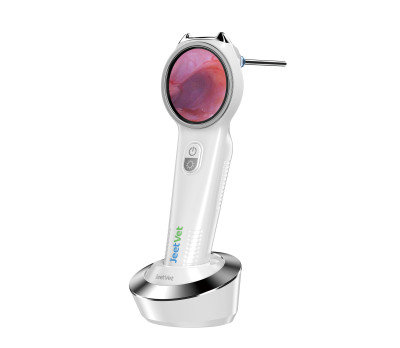
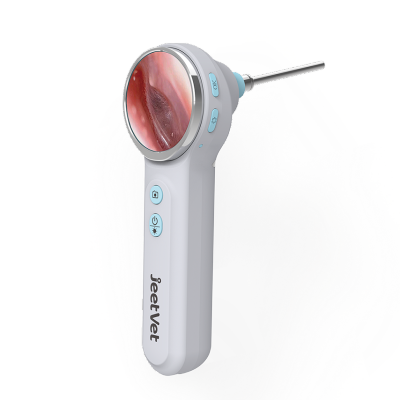
Airway endoscopy demands slim, flexible, well-illuminated scopes; many clinics now adopt Portable Veterinary Endoscope systems for their flexibility and clinical performance.
Key Advantages
- ▪️Small-diameter probes (2.8–4.8 mm) for safe navigation in small-breed dogs and cats
- ▪️High-definition imaging to detect subtle mucosal changes
- ▪️Lightweight handling and quick setup—ideal for emergency or multi-room use
- ▪️USB/WiFi connectivity for real-time display on laptop or tablet
- ▪️Cost-effective option compared with full tower systems
5. Practical Tips & Best Practices
Patient Prep & Safety
- ▪️Pre-anesthetic assessment and stabilization for hypoxic or dyspneic patients
- ▪️Use topical lidocaine judiciously for nasal or laryngeal procedures when appropriate
- ▪️Continuous oxygenation and monitoring during bronchoscopy
Technique Tips
- ▪️Choose probe size and length to match patient anatomy and diagnostic goal
- ▪️Test suction and irrigation channels before starting
- ▪️Collect BAL samples from multiple sites if diffuse disease is suspected
- ▪️Avoid forceful advancement—manoeuvre gently to prevent mucosal trauma
6. Choosing the Right Endoscope for Airway Procedures
When selecting an airway-capable scope, consider:
- ▪️Outer diameter and insertion tube flexibility
- ▪️Working channel availability and size for lavage/forceps
- ▪️Illumination quality and HD sensor performance
- ▪️Compatibility with clinic display devices and sterilization protocols
JeetVet’s portable endoscope lineup offers multiple probe sizes, working channels, and connectivity options tailored for airway, GI and multi-purpose veterinary endoscopy.
More: JeetVet Portable Veterinary Endoscopes
Conclusion
▪️Respiratory Endoscopy is a core diagnostic tool for modern small-animal practice. By providing direct visualization, targeted sampling and minimally invasive therapeutic options, airway endoscopy improves diagnostic clarity and patient outcomes.
▪️Portable Veterinary Endoscope systems make advanced airway diagnostics more accessible—helping clinics diagnose earlier and treat more effectively.