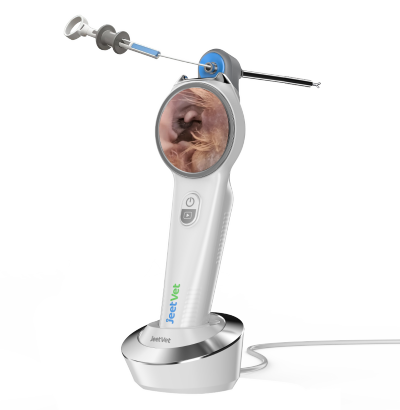
The Growing Role of Veterinary Endoscopes in Modern Companion Animal Medicine
The expectations of today's pet owners have changed dramatically. More owners are seeking faster diagnoses, minimally invasive treatments, and improved recovery experiences for their animals. As a result, veterinary clinics are adopting advanced technologies that can deliver accurate results while reducing patient stress.
Among these innovations, the veterinary endoscope has become one of the most important tools in companion animal medicine. Once used primarily in referral hospitals, veterinary endoscopy is now increasingly available in general practices, specialty clinics, and emergency hospitals.
This article explores why veterinary endoscopes are playing an increasingly important role in modern veterinary care and how they are changing the way clinicians diagnose and treat disease.
Why Veterinary Medicine Is Moving Toward Minimally Invasive Care
In both human and veterinary medicine, minimally invasive procedures have become the preferred option whenever appropriate. Compared with traditional exploratory surgery, veterinary endoscopy often allows clinicians to obtain valuable diagnostic information while minimizing tissue trauma.
Benefits include:
- Reduced surgical intervention
- Shorter hospitalization
- Faster patient recovery
- Improved owner satisfaction
- Lower postoperative discomfort
These advantages have made the veterinary endoscope a valuable addition to many veterinary practices.
Expanding Clinical Applications
Modern veterinary endoscopes are no longer limited to gastrointestinal examinations. Today they support a broad range of diagnostic and therapeutic procedures.
- Foreign body retrieval
- Gastroscopy
- Rhinoscopy
- Tracheoscopy
- Bronchoscopy
- Cystoscopy
- Biopsy collection
- Bronchoalveolar lavage (BAL)
As technology continues to improve, clinics are able to perform more procedures without referring patients to larger specialty centers.
Improving Diagnostic Confidence
Imaging techniques such as radiography and ultrasound remain essential, but they cannot always provide direct visualization of internal tissues.
A veterinary endoscope enables veterinarians to inspect mucosal surfaces in real time, identify subtle lesions, and obtain targeted biopsy samples when needed.
This combination of visualization and intervention helps improve diagnostic confidence and supports earlier treatment decisions.
Meeting the Expectations of Pet Owners
Today's pet owners are increasingly informed and actively involved in treatment decisions. They often prefer procedures that reduce discomfort and shorten recovery time for their pets.
Minimally invasive veterinary endoscopy aligns well with these expectations by offering:
- Smaller or no surgical incisions
- Reduced postoperative pain
- Earlier return to normal activity
- Better visualization during diagnosis
For many clinics, offering endoscopic services has also become a way to strengthen client confidence and improve overall patient care.
Why Portable Veterinary Endoscopes Are Changing Clinical Workflows
Portable veterinary endoscope systems are making advanced diagnostics more accessible than ever before.
Compared with traditional endoscopy towers, compact systems offer:
- Greater mobility between examination rooms
- Faster setup
- Lower space requirements
- Improved workflow efficiency
- Reduced equipment complexity
These advantages are particularly valuable for small and medium-sized veterinary clinics.
How JeetVet Supports Modern Veterinary Practice
JeetVet develops portable veterinary endoscope solutions designed to meet the changing needs of companion animal medicine.
Depending on the clinical application, JeetVet systems support procedures such as gastrointestinal examination, respiratory endoscopy, foreign body retrieval, biopsy collection, and minimally invasive diagnostics.
Key features include:
- High-definition imaging
- Flexible maneuverability
- Working channel compatibility
- Portable operation
- Connectivity with smartphones, tablets, and computers
These capabilities help veterinary professionals improve efficiency while delivering high-quality patient care.
Conclusion
The role of the veterinary endoscope continues to expand as companion animal medicine evolves. By combining minimally invasive techniques with high-definition visualization, veterinary endoscopy is helping clinicians make more accurate diagnoses, improve treatment planning, and enhance patient outcomes.
As technology advances and clinical demand grows, veterinary endoscopes will remain an essential part of modern veterinary practice, supporting better care for pets and greater confidence for veterinary professionals.