Veterinary Endoscope Air, Water, and Suction Functions: A Practical Guide for Veterinary Clinics
Modern veterinary endoscopy involves more than obtaining clear images of internal anatomy. During gastrointestinal examinations, veterinarians often need to maintain visibility, manage fluids, and create sufficient space to observe mucosal surfaces.
Air insufflation, water irrigation, and suction are important functions that can support these tasks. Understanding how these systems work helps veterinary professionals evaluate the capabilities of a veterinary endoscope and select equipment appropriate for their clinical workflows.
This guide explains the purpose of each function, their applications in veterinary gastrointestinal endoscopy, and the practical considerations clinics should review before purchasing an endoscopy system.
1. Why Air, Water, and Suction Functions Matter in Veterinary Endoscopy
During gastrointestinal endoscopy, the internal environment may contain mucus, fluid, food residue, or collapsed tissue surfaces. These conditions can limit visualization and make examination more challenging.
A veterinary endoscope equipped with suitable air, water, and suction capabilities can help clinicians manage the examination environment.
- Air insufflation: Expands the gastrointestinal lumen to improve visibility.
- Water irrigation: Helps remove mucus and debris from the viewing area or lens.
- Suction: Removes excess fluid and selected contents when clinically appropriate.
These functions work together to support a clearer examination field and more controlled endoscopic procedures.
However, not every veterinary endoscope includes all three functions. Their availability and configuration depend on the specific model and system design.
2. Air Insufflation: Improving Visualization of Internal Structures
What Is Air Insufflation?
Air insufflation introduces a controlled amount of gas into the gastrointestinal tract to expand the lumen and separate surrounding tissue surfaces.
Without sufficient distension, mucosal folds may obscure areas that veterinarians need to examine.
Clinical Applications
During veterinary gastroscopy and selected intestinal examinations, controlled insufflation may help clinicians:
- Improve visualization of gastric and intestinal mucosal surfaces.
- Identify visible abnormalities within mucosal folds.
- Navigate accessible gastrointestinal structures.
- Maintain an appropriate examination field during inspection and selected interventions.
Important Clinical Considerations
Insufflation should be carefully controlled. Excessive gas introduction can cause discomfort, unnecessary distension, and potentially serious complications in susceptible patients.
Veterinarians should follow appropriate procedural protocols and use the minimum insufflation necessary to achieve adequate visualization. Some systems and procedures may use carbon dioxide rather than room air, depending on equipment compatibility and clinical requirements.
3. Water Irrigation: Maintaining a Clear Endoscopic View
How Does Water Irrigation Work?
Water irrigation allows compatible endoscopy systems to deliver fluid through a designated channel or accessory pathway.
During examination, mucus, secretions, and small amounts of debris may interfere with the camera's view. Irrigation can help clear these materials and improve the visibility of anatomical structures.
Common Applications
- Cleaning the distal viewing lens when supported by the system.
- Rinsing mucus from gastrointestinal mucosal surfaces.
- Improving visualization before closer inspection.
- Supporting selected diagnostic and therapeutic procedures.
Effective irrigation may reduce interruptions caused by an obscured field of view, although performance depends on the system's fluid-delivery design and clinical conditions.
Equipment Considerations
Veterinary clinics should determine whether an endoscope includes a dedicated water channel, uses a shared instrument channel, or requires additional irrigation accessories.
Fluid delivery should be controlled and performed according to the manufacturer's instructions and relevant infection prevention protocols.
4. Suction: Managing Fluids During Gastrointestinal Examination
What Is the Suction Function?
Suction allows clinicians to remove fluid and certain loose contents from the examination area through a compatible endoscopy system.
During gastrointestinal procedures, accumulated secretions or irrigation fluid may obstruct visualization. Suction can help restore a clearer examination field.
Clinical Benefits
- Removing excess irrigation fluid.
- Reducing fluid accumulation in accessible examination areas.
- Helping maintain visibility during mucosal assessment.
- Supporting controlled management of the endoscopic environment.
The effectiveness of suction depends on channel dimensions, system configuration, the characteristics of the material being removed, and the available suction equipment.
Endoscopic suction is not a substitute for appropriate airway protection or anesthetic management.
5. Air, Water, and Suction: Understanding the Differences
| Function | Primary Purpose | Typical Application |
|---|---|---|
| Air Insufflation | Expands the gastrointestinal lumen | Gastric and intestinal visualization |
| Water Irrigation | Rinses the lens or examination field | Clearing mucus and debris |
| Suction | Removes fluids and selected loose contents | Managing fluid accumulation |
Although these functions serve different purposes, their combined availability may improve procedural flexibility in selected veterinary gastrointestinal examinations.
6. How These Functions Support Veterinary Gastrointestinal Procedures
Gastroscopy
During gastroscopy, controlled insufflation can help expand the stomach, irrigation may improve visualization of the mucosa, and suction can remove excess fluid.
Gastrointestinal Biopsy
Clear visualization is important when positioning biopsy forceps and selecting appropriate mucosal sampling sites. Air, water, and suction functions may support examination conditions during biopsy procedures.
Foreign Body Examination
When evaluating a suspected gastrointestinal foreign body, maintaining visibility can help veterinarians assess the object's location and surrounding tissues.
Whether an object can be retrieved endoscopically depends on its size, shape, location, tissue involvement, and the patient's clinical condition.
Examination of Chronic Gastrointestinal Disorders
In dogs and cats with persistent gastrointestinal symptoms, adequate visualization can support systematic inspection of accessible mucosal surfaces and help guide diagnostic sampling.
Endoscopic appearance must still be interpreted alongside clinical history, laboratory findings, and histopathology when indicated.
7. What Should Veterinary Clinics Consider When Choosing an Endoscope?
When comparing veterinary endoscope systems, clinics should evaluate how fluid and gas management functions integrate with the overall equipment design.
Function Availability
Confirm whether air insufflation, water irrigation, and suction are included in the selected model or require additional accessories.
Channel Configuration
Some endoscopes include separate channels for irrigation and instrument insertion, while others use shared channels for multiple functions.
Understanding the channel layout helps clinics assess procedural compatibility.
Working Channel Diameter
The working channel affects compatibility with biopsy forceps, retrieval instruments, and certain fluid-management functions.
A larger working channel may accommodate a wider range of accessories, but the appropriate diameter must be balanced against the endoscope's outer diameter and intended patient population.
Patient Size and Intended Procedures
Dogs and cats vary considerably in anatomy and body size. Endoscope insertion diameter, working length, and tip articulation should be selected according to the intended examination.
Cleaning and Maintenance
Air, water, suction, and instrument channels require appropriate cleaning and reprocessing after use.
Clinics should follow the manufacturer's validated instructions for cleaning, leak testing, disinfection, drying, and storage. Improperly reprocessed channels can create infection prevention risks.
8. JeetVet Veterinary Endoscopy Solutions
JeetVet develops portable veterinary endoscopy solutions designed to support a range of diagnostic and clinical examination needs.
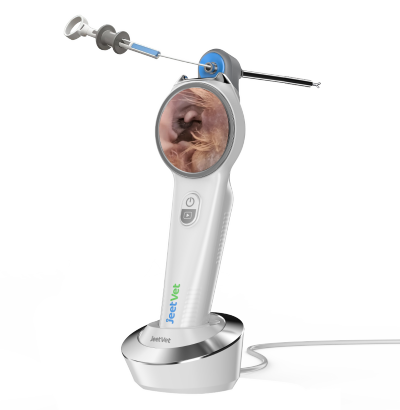
The JeetVet RAE-105 Portable USB Veterinary Endoscope offers high-definition imaging, a 1000 mm working length, and a working channel for compatible instruments. Water and air supply functions are available, making it a potential option for selected veterinary examination workflows.
For clinics requiring additional fluid-management capabilities, the RAE-105Pro Portable WiFi Veterinary Endoscope includes water, air, and suction functions, along with wireless connectivity and compatibility with supported mobile devices.
When selecting between different veterinary endoscope models, clinicians should confirm technical specifications, channel configuration, accessory compatibility, and suitability for their intended procedures.
Explore JeetVet veterinary endoscopy solutions at www.jeetvet.com.
9. Frequently Asked Questions
Why does a veterinary endoscope need air insufflation?
Controlled insufflation helps expand the gastrointestinal lumen, making mucosal surfaces easier to inspect during selected examinations.
What is the purpose of water irrigation in veterinary endoscopy?
Water irrigation helps clear mucus, debris, and other material that may interfere with the endoscopic view.
Does every veterinary endoscope have suction?
No. Suction availability depends on the endoscope model, channel configuration, and compatible external equipment.
Can air, water, and suction functions improve veterinary gastroscopy?
These functions can support lumen distension, visualization, and fluid management when used appropriately during gastroscopy.
What is the difference between a working channel and a water channel?
A working channel typically accommodates compatible instruments, while a dedicated water channel delivers irrigation fluid. Some endoscope designs share channels between functions.
What should clinics check before buying a veterinary endoscope with suction?
Clinics should review channel specifications, suction compatibility, required accessories, cleaning requirements, and the types of procedures they plan to perform.
Conclusion
Air insufflation, water irrigation, and suction are important capabilities in many veterinary gastrointestinal endoscopy workflows. Each function serves a distinct purpose, from improving visualization to managing fluid accumulation during examination.
For veterinary clinics considering a new veterinary endoscope, understanding these functions can help inform equipment selection and support efficient clinical workflows.
By evaluating imaging performance, channel configuration, patient compatibility, and fluid-management features together, clinics can select endoscopy solutions that align with their diagnostic needs.