Veterinary Endoscope Case Study: Removing a Swallowed Tennis Ball Fragment from a Dog Without Surgery
Foreign body ingestion is one of the most common emergencies encountered in small animal practice. Dogs, particularly young and active breeds, often chew and accidentally swallow pieces of toys, balls, or household objects. Depending on the size and location of the object, ingestion can lead to vomiting, gastrointestinal obstruction, or even life-threatening complications.
This case study illustrates how a veterinary endoscope can assist veterinarians in identifying and removing a gastric foreign body through a minimally invasive approach when clinically appropriate.
Case Background
- Species: Dog
- Age: 3 years
- Breed: Labrador Retriever
The owner reported that the dog had destroyed a worn tennis ball during play. Within 24 hours, the dog began vomiting repeatedly, refused food, and appeared lethargic.
Physical examination suggested gastric discomfort, while radiographs indicated the possibility of a foreign body but could not clearly define its shape or exact position.
Clinical Challenge
Soft rubber and fabric materials may be difficult to characterize on routine imaging. In this situation, veterinarians needed to determine:
- Whether the object remained in the stomach
- The approximate size of the foreign body
- Whether the gastric lining had been damaged
- Whether endoscopic retrieval was feasible
Veterinary Endoscopic Examination
Following anesthesia, a flexible veterinary endoscope was introduced through the esophagus into the stomach.
The examination revealed:
- A partially chewed tennis ball fragment located within the stomach
- Mild gastric mucosal irritation
- No evidence of perforation
- No obstruction beyond the pylorus
Direct visualization confirmed that endoscopic retrieval was an appropriate treatment option.
Foreign Body Removal
Using a retrieval device passed through the working channel of the endoscope, the veterinarian carefully grasped the tennis ball fragment and removed it through the oral cavity.
A second inspection of the stomach confirmed that no additional fragments remained and that only minor superficial irritation of the gastric mucosa was present.
Why Veterinary Endoscopy Was Beneficial
| Clinical Advantage | Benefit |
|---|---|
| Direct Visualization | Confirmed the location and condition of the foreign body. |
| Minimally Invasive | Avoided exploratory surgery in this case. |
| Immediate Treatment | Diagnosis and retrieval were completed during the same procedure. |
| Targeted Assessment | Allowed evaluation of the gastric mucosa after removal. |
| Recovery | Supported a faster return to normal activity compared with surgical recovery in suitable cases. |
Clinical Outcome
The dog recovered uneventfully after the procedure. Appetite gradually returned, vomiting resolved, and the patient resumed normal activity following the veterinarian's post-procedure recommendations.
This case demonstrates how veterinary endoscopy can support efficient diagnosis and treatment of selected gastric foreign bodies while reducing the need for more invasive procedures.
How JeetVet Veterinary Endoscopes Support Foreign Body Retrieval
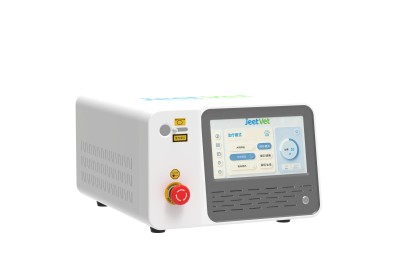
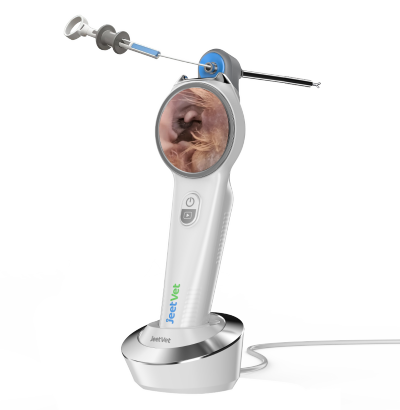
JeetVet portable veterinary endoscope systems are designed to assist veterinarians in minimally invasive gastrointestinal procedures. High-definition imaging, flexible maneuverability, and compatibility with retrieval instruments help clinicians perform accurate examinations and foreign body removal in appropriate cases.
- High-definition image quality
- Flexible insertion tube
- Working channel for retrieval accessories
- Portable operation for everyday clinical use
- Suitable for companion animals and selected exotic animal applications
Conclusion
Foreign body ingestion remains a frequent emergency in veterinary medicine. When clinically appropriate, a veterinary endoscope can provide direct visualization, support minimally invasive retrieval, and help veterinarians make timely treatment decisions.
For companion animal practices, integrating veterinary endoscopy into daily clinical workflows expands diagnostic capabilities while offering patients a less invasive treatment option in suitable cases.