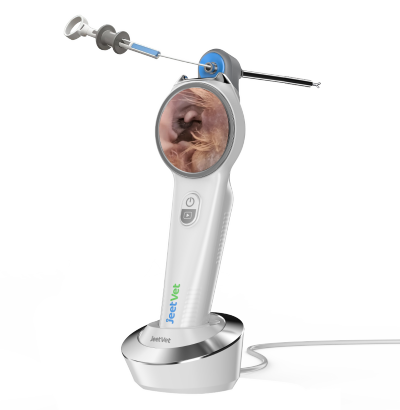
Veterinary Endoscope Maintenance Guide: 10 Best Practices to Extend Equipment Life
A veterinary endoscope is one of the most valuable investments a veterinary clinic can make. Whether it is used for gastrointestinal examinations, respiratory diagnostics, foreign body retrieval, or biopsy procedures, regular maintenance is essential for ensuring reliable performance and maximizing the lifespan of the equipment.
Proper maintenance not only protects your investment but also improves patient safety, reduces repair costs, and helps maintain consistently high image quality.
Why Maintenance Matters
Modern veterinary endoscopes are precision medical devices containing high-resolution imaging sensors, delicate insertion tubes, optical components, and working channels.
Without proper maintenance, clinics may experience:
- Reduced image quality
- Premature equipment wear
- Higher repair costs
- Unexpected equipment downtime
- Cross-contamination risks
1. Clean the Veterinary Endoscope Immediately After Use
Cleaning should begin as soon as the procedure is completed. Organic material can dry quickly and become more difficult to remove if cleaning is delayed.
- Flush the working channel
- Remove visible debris
- Use manufacturer-approved cleaning solutions
2. Perform Leak Testing
Routine leak testing helps identify damage before fluid enters sensitive internal components.
Early detection can prevent expensive repairs and extend equipment life.
3. Disinfect Thoroughly
High-level disinfection is essential after every procedure to reduce the risk of cross-contamination.
- Follow recommended contact times
- Use compatible disinfectants
- Rinse thoroughly after disinfection
4. Dry Before Storage
Residual moisture inside the working channel may encourage microbial growth and damage internal components.
Dry both the insertion tube and internal channels before storage.
5. Store Properly
Store the veterinary endoscope in a clean, dry, and well-ventilated cabinet.
- Avoid excessive bending
- Protect the distal tip
- Keep away from excessive heat and humidity
6. Inspect Accessories Regularly
Biopsy forceps, retrieval baskets, and graspers should also be inspected for wear before every procedure.
7. Avoid Excessive Force
Never force the insertion tube through resistance.
Gentle manipulation protects both the patient and the veterinary endoscope.
8. Train Clinical Staff
Proper handling by trained personnel is one of the most effective ways to reduce accidental equipment damage.
9. Schedule Preventive Maintenance
Routine inspections performed by qualified service engineers help identify wear before failures occur.
10. Follow Manufacturer Recommendations
Always follow the maintenance procedures specified by your equipment manufacturer to ensure safe operation and maintain warranty coverage.
How JeetVet Supports Long-Term Equipment Performance
JeetVet designs portable veterinary endoscope systems with durability, ease of maintenance, and clinical efficiency in mind.
Features such as robust construction, high-definition imaging, flexible insertion tubes, and user-friendly operation help clinics maximize equipment uptime while reducing maintenance complexity.
Conclusion
Regular maintenance is essential for preserving the performance, safety, and longevity of any veterinary endoscope.
By following these best practices, veterinary clinics can reduce repair costs, improve workflow, and ensure consistently reliable diagnostic performance for years to come.