Veterinary Endoscope Price: What Affects the Cost of Veterinary Endoscopy Equipment?
Investing in a veterinary endoscope is an important decision for veterinary clinics, animal hospitals, and veterinary equipment distributors. As endoscopic technology becomes more accessible, buyers can choose from different systems designed for a variety of diagnostic and therapeutic applications.
However, veterinary endoscope prices can vary considerably depending on the type of equipment, imaging technology, insertion tube specifications, working channels, and included accessories.
Understanding these factors helps veterinary professionals compare equipment more effectively and select a solution that meets both clinical requirements and purchasing budgets.
This guide explains the main factors affecting veterinary endoscopy equipment costs and what buyers should consider before making a purchase.
1. How Much Does a Veterinary Endoscope Cost?
The cost of a veterinary endoscope depends on the system configuration and intended clinical applications. A compact portable endoscope may have a different pricing structure from a complete veterinary endoscopy platform with multiple components and accessories.
Equipment commonly falls into several categories:
- Portable veterinary endoscopes: Compact systems designed for compatible external displays or mobile devices.
- Flexible veterinary endoscopes: Instruments designed to navigate anatomical pathways for selected gastrointestinal and respiratory examinations.
- Rigid veterinary endoscopes: Instruments used for selected examinations requiring a straight viewing approach.
- Integrated veterinary endoscopy systems: Platforms that may combine imaging, illumination, fluid management, and compatible examination instruments.
There is no single price that accurately represents all veterinary endoscopes. Buyers should request quotations based on the specific equipment model, accessories, warranty, and support services required.
2. Key Factors That Affect Veterinary Endoscope Prices
2.1 Image Quality and Resolution
Image quality is one of the most important factors when evaluating veterinary endoscopy equipment.
Different systems may offer varying image resolutions, sensor technologies, illumination performance, and image-processing capabilities.
Higher-resolution imaging can support more detailed visualization, but resolution alone does not determine overall image quality. Lighting, color reproduction, focus, and image stability also influence clinical usability.
Buyers should compare actual imaging performance under relevant examination conditions rather than relying only on pixel specifications.
2.2 Flexible vs. Rigid Endoscope Design
The mechanical design of an endoscope can influence its manufacturing complexity and cost.
Flexible veterinary endoscopes incorporate an insertion tube and maneuverable distal section to support examination of selected anatomical pathways.
Rigid veterinary endoscopes use a fixed insertion structure and are suitable for certain applications where direct access is possible.
Neither type is universally better. Equipment selection should depend on the intended examination, patient anatomy, and clinical requirements.
2.3 Insertion Tube Diameter and Working Length
Insertion tube dimensions are important technical specifications that can affect both clinical compatibility and equipment cost.
Smaller-diameter endoscopes may require specialized components and manufacturing processes. Longer insertion tubes may also involve additional engineering considerations.
When comparing models, buyers should evaluate:
- Insertion tube outer diameter
- Usable working length
- Distal tip maneuverability
- Compatibility with the intended animal species and examination site
- Durability and cleaning requirements
The most suitable specifications are those that meet the clinic's actual examination needs.
2.4 Working Channel and Instrument Compatibility
Some veterinary endoscopes include a working channel that allows compatible instruments to pass through the insertion tube.
Depending on the model and intended use, a working channel may support:
- Biopsy sampling
- Selected foreign body retrieval procedures
- Fluid delivery or aspiration
- Other compatible instrument-assisted applications
Working channel diameter and instrument compatibility should be checked carefully. An endoscope with a working channel may require additional accessories that are not included in the base equipment price.
2.5 USB, WiFi, and Display Connectivity
Connectivity is another factor that may influence the cost and convenience of a portable veterinary endoscope.
USB veterinary endoscopes connect to compatible devices through a wired interface, while WiFi-enabled systems provide wireless image transmission to supported displays.
Buyers should consider display compatibility, connection stability, image latency, software requirements, and whether additional equipment is needed.
Wireless connectivity does not automatically mean better imaging performance. The most suitable option depends on the clinic's workflow.
2.6 Accessories and System Configuration
The quoted price of a veterinary endoscope may not include every component required for clinical use.
Depending on the equipment, additional items may include:
- Compatible display monitors
- Biopsy forceps and retrieval instruments
- Fluid management accessories
- Cleaning and reprocessing supplies
- Transport and protective cases
- Replacement or optional components
Before purchasing, clinics should request a detailed quotation showing exactly what is included in the package.
3. Portable vs. Integrated Veterinary Endoscopy Systems: Cost Considerations
Portable and integrated endoscopy systems serve different clinical and operational requirements.
| Comparison | Portable Endoscope | Integrated System |
|---|---|---|
| System Design | Compact and modular | Multiple integrated components |
| Display | May use compatible external devices | May include a dedicated display |
| Installation | Often requires less dedicated space | May require more space |
| Equipment Configuration | Depends on compatible accessories | May support multiple examination modules |
| Purchase Cost | Depends on model and included components | Depends on system scope and configuration |
A portable system may reduce the need for certain dedicated components, but the total purchase cost depends on what is already available at the clinic and what must be purchased separately.
4. Hidden Costs of Veterinary Endoscopy Equipment
When evaluating veterinary endoscope prices, buyers should consider the total cost of ownership rather than only the initial purchase price.
Maintenance and Repairs
Endoscopes contain delicate imaging and mechanical components. Routine inspection, careful handling, and timely servicing can help maintain performance.
Cleaning and Reprocessing
Reusable veterinary endoscopes require appropriate cleaning and reprocessing according to the manufacturer's instructions and applicable clinical protocols.
Consumables, cleaning supplies, staff time, and compatible reprocessing equipment may contribute to operating expenses.
Staff Training
Veterinary teams may need training in equipment operation, patient preparation, instrument handling, and cleaning procedures.
Replacement Accessories
Accessories such as forceps, connectors, and other compatible components may require periodic replacement.
These expenses should be included when comparing equipment from different suppliers.
5. How to Choose a Cost-Effective Veterinary Endoscope
The lowest-priced endoscope is not necessarily the most cost-effective option for a veterinary clinic.
Before purchasing, consider the following questions:
- Which clinical examinations will the clinic perform most frequently?
- What animal sizes and anatomical areas must the endoscope accommodate?
- Is a working channel required for biopsy or selected retrieval procedures?
- What imaging quality is necessary for the intended applications?
- Are USB or WiFi connectivity options suitable for the clinic's existing devices?
- What accessories are included in the quoted price?
- What warranty, technical support, and repair services are available?
- What are the expected maintenance and reprocessing expenses?
Comparing these factors can help clinics avoid purchasing equipment that is either insufficient for their needs or unnecessarily complex.
6. JeetVet Veterinary Endoscopy Equipment
JeetVet develops veterinary endoscopy solutions for diagnostic visualization and selected clinical applications.
Its product range includes portable veterinary endoscopes and integrated examination systems designed for different veterinary workflows.
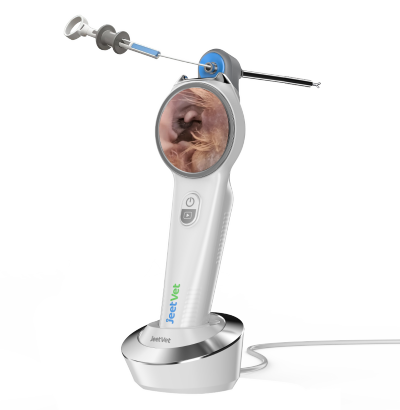
RAE-105 Portable USB Veterinary Endoscope
The RAE-105 provides portable imaging through USB connectivity and includes a working channel for compatible instruments. It is an option for clinics evaluating compact endoscopy equipment for selected examinations.
RAE-105Pro Portable WiFi Veterinary Endoscope
The RAE-105Pro offers WiFi connectivity with compatible mobile display devices, supporting flexible equipment arrangements in veterinary clinical settings.
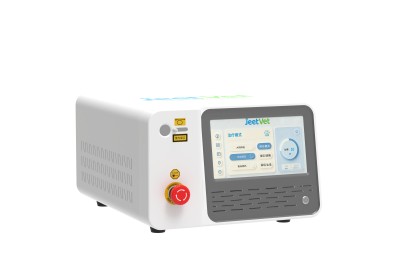
VET-600 Veterinary Endoscopy Platform
The VET-600 is a veterinary diagnostic and treatment platform designed to support selected examinations using compatible modules and accessories.
For accurate pricing, buyers should request a quotation based on the model, required accessories, intended applications, and purchasing region.
7. Frequently Asked Questions
How much does a veterinary endoscope cost?
Veterinary endoscope costs vary by model, imaging technology, insertion tube specifications, accessories, and system configuration. A supplier quotation is the most reliable way to determine the price of a specific setup.
Are portable veterinary endoscopes cheaper than integrated systems?
Some portable systems may have lower initial equipment requirements, but this is not universal. Total cost depends on included components, display requirements, accessories, and ongoing operating expenses.
What is the difference between a veterinary endoscope and a veterinary endoscopy system?
A veterinary endoscope is the instrument used for internal visualization. A veterinary endoscopy system may include the endoscope together with imaging, illumination, display, fluid management, and other compatible components.
What should I check before buying a veterinary endoscope?
Evaluate intended clinical applications, insertion tube dimensions, image quality, working channel specifications, accessory compatibility, reprocessing requirements, warranty, and technical support.
Where can veterinary clinics buy veterinary endoscopy equipment?
Veterinary clinics can purchase equipment through manufacturers and authorized distributors. Buyers should verify product specifications, regional availability, after-sales support, and applicable regulatory requirements.
Conclusion
Understanding veterinary endoscope prices requires more than comparing the initial cost of different devices. Image quality, insertion tube design, working channels, connectivity, accessories, and long-term maintenance all influence the overall value of veterinary endoscopy equipment.
For veterinary clinics, the most cost-effective solution is one that matches their clinical needs, supports reliable operation, and offers appropriate technical support.
JeetVet provides veterinary endoscopy solutions for clinics and distributors seeking equipment for modern veterinary practice.
Explore JeetVet veterinary endoscopes and request product information: www.jeetvet.com