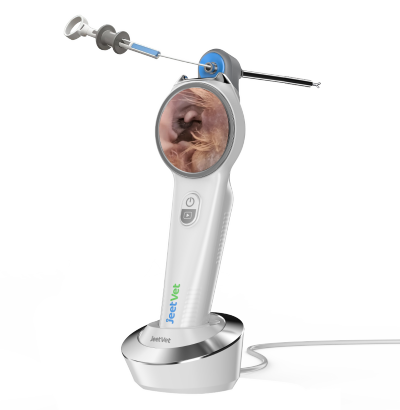
Veterinary Endoscope for Large Animals: A Practical Guide to Equine and Livestock Endoscopy
Veterinary endoscopy is not limited to dogs, cats, and exotic pets. In large animal medicine, a veterinary endoscope can provide valuable direct visualization of anatomical structures that are otherwise difficult to examine through routine clinical observation alone.
Horses are one of the most established areas of large animal endoscopy, particularly for examination of the upper respiratory tract and gastrointestinal system. Endoscopic techniques may also have selected applications in cattle and other livestock depending on the clinical indication, patient anatomy, and available equipment.
However, large animals present very different requirements from companion animals. Longer anatomical pathways, larger body size, field conditions, maneuverability, working length, and durability can all influence the choice of endoscopy equipment.
This guide explains the major applications of large animal veterinary endoscopy and the key factors veterinarians should consider when choosing an endoscope for horses and other large animals.
What Is Large Animal Veterinary Endoscopy?
Large animal veterinary endoscopy uses an endoscopic imaging system to directly examine accessible internal structures in horses, cattle, and other large animal patients.
A flexible veterinary endoscope typically incorporates an imaging system, illumination, an insertion tube, distal tip control, and, depending on the configuration, a working channel for compatible instruments.
Compared with external examination alone, endoscopy gives the veterinarian a real-time internal view and may support documentation, sampling, and selected minimally invasive procedures when clinically appropriate.
Why Large Animals Need Different Endoscope Configurations
An endoscope designed primarily for small companion animals may not meet the requirements of large animal practice.
Large animal patients can require:
- Longer insertion and working lengths
- Appropriate insertion tube diameter
- Reliable distal tip articulation
- Strong and consistent illumination
- Clear visualization across larger anatomical spaces
- Practical operation in both hospitals and field environments
- Durable construction for frequent clinical use
For this reason, selecting a veterinary endoscope for large animals should begin with the intended procedure rather than simply choosing the longest available endoscope.
Equine Endoscopy: One of the Most Important Large Animal Applications
Endoscopy has an established role in equine medicine because many clinically important structures can be difficult to evaluate through routine external examination.
Depending on the clinical indication, equine endoscopy may be used to investigate areas including the upper respiratory tract and gastrointestinal tract.
Common reasons for endoscopic evaluation may include:
- Abnormal respiratory noise
- Reduced athletic performance
- Persistent coughing
- Nasal discharge
- Difficulty swallowing
- Suspected upper airway abnormalities
- Selected gastrointestinal concerns
The decision to perform endoscopy should always be based on the individual horse's clinical history, examination findings, and the veterinarian's professional judgment.
Veterinary Endoscope for Equine Respiratory Examination
The upper airway is a particularly important application of the equine veterinary endoscope.
A flexible endoscope can allow the veterinarian to examine accessible structures of the nasal passages, pharyngeal region, laryngeal area, and other portions of the upper airway depending on the procedure.
Direct visualization may help evaluate:
- Mucosal appearance
- Secretions
- Airway symmetry
- Visible structural abnormalities
- Inflammatory changes
- Abnormal tissue
Because respiratory performance is particularly important in athletic horses, endoscopic examination can form an important part of the diagnostic workup when airway dysfunction is suspected.
Equine Gastrointestinal Endoscopy
Gastrointestinal endoscopy is another important application in equine practice. Appropriate gastroscopic equipment can allow direct visualization of accessible areas of the upper gastrointestinal tract.
In horses, gastrointestinal endoscopy may be considered as part of the investigation of selected clinical problems such as:
- Reduced appetite
- Weight loss
- Changes in eating behavior
- Selected recurrent gastrointestinal signs
- Suspected gastric mucosal abnormalities
Equine gastroscopy places particularly high demands on working length because of the distance required to reach and adequately examine the stomach.
Therefore, clinics planning to perform equine gastroscopy should select equipment specifically suited to the anatomical and procedural requirements of horses.
Large Animal Endoscopy Beyond Horses
Although equine medicine is a major area of large animal endoscopy, selected endoscopic techniques may also be useful in cattle and other livestock.
Potential applications depend strongly on species, anatomy, clinical indication, and the endoscopic approach being used.
Rather than treating "large animal endoscopy" as a single procedure, veterinarians should evaluate each application according to:
- Species
- Patient size
- Anatomical target
- Required working length
- Endoscope diameter
- Available instruments
- Clinical environment
Working Length: A Critical Specification for Large Animals
Working length is one of the most obvious differences between small and large animal endoscopy.
A longer insertion tube may be necessary to reach deeper anatomical structures in a large patient. However, working length should always be considered together with maneuverability and the intended clinical procedure.
An excessively long scope can be inconvenient if the procedure does not require that reach, while insufficient length can prevent the veterinarian from accessing the target area.
Before selecting a large animal veterinary endoscope, ask:
- Which species will be examined?
- Which anatomical area must be reached?
- Is the endoscope intended for respiratory or gastrointestinal examination?
- Will instruments need to pass through a working channel?
- Will the system be used primarily in a clinic or in the field?
Insertion Tube Diameter and Maneuverability
Bigger animals do not automatically mean that the largest insertion tube is the best choice.
The insertion diameter must remain appropriate for the anatomical pathway being examined. At the same time, the endoscope should provide sufficient structural stability and maneuverability for the intended procedure.
Clinicians should consider the balance between:
- Insertion tube diameter
- Working length
- Flexibility
- Distal tip articulation
- Working channel capability
This balance is particularly important when navigating long or curved anatomical pathways.
Why Image Quality Matters in Large Animal Endoscopy
High-quality visualization remains essential regardless of patient size.
During an endoscopic examination, veterinarians may need to identify relatively subtle changes in mucosal appearance or distinguish normal anatomy from abnormal findings.
Image performance should therefore be evaluated using several factors:
| Factor | Clinical Importance |
|---|---|
| Resolution | Supports visualization of anatomical and mucosal detail. |
| Illumination | Provides visibility within dark internal spaces. |
| Color Reproduction | Helps represent tissue appearance consistently. |
| Field of View | Influences how much anatomy can be observed at one time. |
| Image Stability | Supports visualization while navigating or manipulating the scope. |
| Working Distance | Influences clarity as the distance between the scope and tissue changes. |
The Importance of the Working Channel
A working channel expands what a veterinary endoscope can potentially do beyond visualization.
Depending on the endoscope configuration and intended procedure, compatible instruments may be introduced through the channel for selected sampling or interventional applications.
When choosing an endoscope, veterinarians should consider:
- Working channel diameter
- Accessory compatibility
- Relationship between channel size and insertion tube diameter
- Intended diagnostic or therapeutic procedures
Clinics should always verify instrument compatibility with the specific endoscope before use.
Portable Veterinary Endoscopy for Field Practice
Large animal veterinarians often work outside traditional hospital environments. Horses and livestock may need to be examined at farms, stables, breeding facilities, or other field locations.
For these situations, a portable veterinary endoscope can offer practical workflow advantages.
Important considerations for field use may include:
- System portability
- Ease of transport
- Setup time
- Image and video documentation
- Power requirements
- Durability
- Ease of cleaning and reprocessing
Portability should not mean sacrificing the imaging and control capabilities required for the intended examination.
Small Animal vs. Large Animal Veterinary Endoscope Requirements
| Consideration | Small Animal Practice | Large Animal Practice |
|---|---|---|
| Patient Size | Dogs, cats, small mammals and selected exotic animals | Horses, cattle and other large animals |
| Working Length | Selected according to companion animal anatomy and procedure | Longer configurations may be required for certain procedures |
| Insertion Diameter | Smaller diameters may be important for small patients | Selected according to target anatomy rather than body size alone |
| Portability | Useful between treatment rooms and clinics | Particularly valuable for farm and stable visits |
| Clinical Application | GI, respiratory, rhinoscopy, foreign body retrieval, biopsy | Equine respiratory, GI and other selected large animal applications |
How to Choose a Large Animal Veterinary Endoscope
Before investing in a large animal veterinary endoscope, veterinarians and clinics should define their most frequent procedures and patient population.
A practical selection checklist includes:
- Application: What examinations will be performed?
- Species: Horses, cattle, or mixed large animal practice?
- Working Length: Is sufficient reach available for the intended anatomy?
- Insertion Diameter: Is it appropriate for the target anatomical pathway?
- Articulation: Can the distal tip be positioned effectively?
- Image Quality: Are illumination, detail, and color suitable for clinical observation?
- Working Channel: Are compatible instruments required?
- Portability: Will the endoscope be used at farms or stables?
- Documentation: Can images and videos be conveniently recorded?
- Reprocessing: Is cleaning practical for the expected workflow?
JeetVet Veterinary Endoscopy for Different Animal Applications
JeetVet focuses on developing veterinary endoscope solutions for different veterinary applications and clinical environments.
As veterinary endoscopy expands beyond companion animal practice, factors such as longer working lengths, practical portability, clear visualization, flexible maneuverability, and appropriate instrument compatibility become increasingly important for large animal applications.
Rather than treating one endoscope configuration as suitable for every patient, veterinary professionals should select equipment according to the species, anatomical target, and intended procedure.
This application-oriented approach helps clinics and veterinarians build an endoscopy setup that better matches real clinical requirements—from companion animals and exotic pets to selected large animal procedures.
Conclusion
The veterinary endoscope is an increasingly versatile tool across modern animal medicine, and its applications extend well beyond dogs and cats.
In large animal practice—particularly equine medicine—endoscopy can provide direct visualization for selected respiratory and gastrointestinal examinations while supporting more informed clinical assessment.
However, large animal endoscopy requires careful equipment selection. Working length, insertion diameter, articulation, imaging performance, working channel capability, portability, and durability should all be evaluated according to the intended procedure.
For veterinary professionals working with horses and other large animals, choosing an appropriately configured veterinary endoscope can help expand minimally invasive diagnostic capabilities both inside the clinic and in field practice.