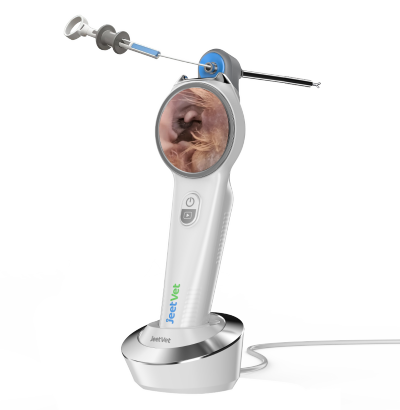
Veterinary Endoscope vs Traditional Surgery: Which Is Better for Modern Veterinary Practice?
Veterinary medicine has evolved significantly over the past decade. Advances in imaging technology and minimally invasive procedures have transformed the way veterinarians diagnose and treat many common conditions.
One of the most important innovations is the veterinary endoscope, which allows clinicians to examine internal organs and perform certain treatments without the need for large surgical incisions.
While traditional surgery remains essential for many cases, veterinary endoscopy is increasingly becoming the preferred option whenever possible.
In this article, we compare veterinary endoscopes and traditional surgery to help veterinary professionals understand the advantages, limitations, and ideal applications of each approach.
What Is a Veterinary Endoscope?
A veterinary endoscope is a flexible imaging system equipped with a high-definition camera, illumination source, and working channel for diagnostic and therapeutic instruments.
It allows veterinarians to directly visualize internal structures through natural body openings such as the mouth, nose, or urethra, often eliminating the need for exploratory surgery.
Common applications include:
- Foreign body removal
- Gastrointestinal examination
- Respiratory diagnostics
- Biopsy collection
- Urinary tract evaluation
What Is Traditional Veterinary Surgery?
Traditional surgery involves making an incision to access internal organs or tissues directly.
Surgical intervention is often necessary for:
- Large tumors
- Organ removal
- Severe trauma
- Orthopedic procedures
- Advanced abdominal surgery
While highly effective, surgery generally involves greater patient trauma, longer recovery times, and higher postoperative risks.
Key Differences Between Veterinary Endoscopy and Surgery
| Comparison | Veterinary Endoscope | Traditional Surgery |
|---|---|---|
| Invasiveness | Minimally invasive | Invasive |
| Incision Required | No or minimal | Yes |
| Recovery Time | Typically faster | Usually longer |
| Postoperative Pain | Reduced | Higher |
| Hospitalization | Shorter stay | Longer stay |
| Diagnostic Capability | Excellent visualization | Direct surgical exploration |
Advantages of Using a Veterinary Endoscope
1. Reduced Patient Trauma
Because a veterinary endoscope uses natural body openings, large surgical incisions can often be avoided.
This results in:
- Less tissue damage
- Reduced pain
- Lower complication rates
2. Faster Recovery
Many endoscopic procedures allow animals to return home the same day or after a short observation period.
3. Improved Visualization
High-definition imaging allows veterinarians to inspect tissues directly and identify abnormalities with greater accuracy.
4. Diagnostic and Therapeutic Functions
Modern veterinary endoscopes can perform diagnosis and treatment during the same procedure, improving clinical efficiency.
When Is Surgery Still Necessary?
Although veterinary endoscopy offers many advantages, surgery remains essential in certain situations.
- Large or invasive tumors
- Severe gastrointestinal perforation
- Complex orthopedic procedures
- Major trauma cases
- Advanced abdominal conditions
In many cases, veterinary endoscopy and surgery complement each other rather than compete.
Why More Clinics Are Investing in Veterinary Endoscopes
As pet owners increasingly seek minimally invasive treatment options, veterinary clinics are expanding their diagnostic capabilities with portable veterinary endoscope systems.
Benefits for clinics include:
- Broader service offerings
- Higher diagnostic accuracy
- Improved patient satisfaction
- Reduced referral requirements
- Additional revenue opportunities
How JeetVet Veterinary Endoscopes Support Modern Practice
JeetVet portable veterinary endoscope systems are designed to help veterinarians perform advanced diagnostic and therapeutic procedures efficiently.
Key features include:
- High-definition imaging
- 360° rotation control
- Integrated water and air supply systems
- Working channel compatibility
- Portable operation
- Smartphone, tablet, and computer connectivity
These features help veterinary professionals deliver minimally invasive care while improving clinical efficiency and patient outcomes.
Conclusion
Both veterinary endoscopy and traditional surgery play important roles in modern veterinary medicine.
However, for many diagnostic and minimally invasive therapeutic procedures, a veterinary endoscope offers significant advantages, including reduced trauma, faster recovery, and improved patient comfort.
As veterinary technology continues to advance, portable veterinary endoscope systems are becoming an essential investment for clinics seeking to provide higher standards of care and expand their clinical capabilities.