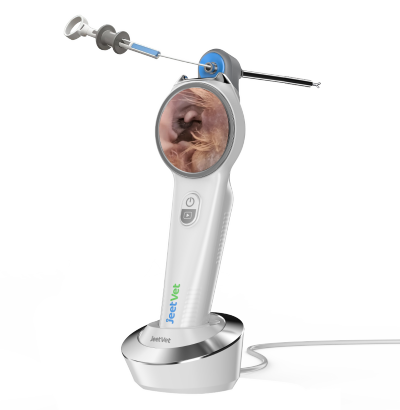
What Can a Veterinary Endoscope Diagnose? A Practical Guide for Veterinary Clinics
Accurate diagnosis is the foundation of successful veterinary treatment. While physical examinations, radiography, ultrasound, and laboratory tests all play important roles, some conditions cannot be fully evaluated without direct visualization.
This is where a veterinary endoscope becomes an invaluable diagnostic tool. By allowing veterinarians to examine internal organs through natural body openings, veterinary endoscopy provides real-time, high-definition images that support earlier diagnosis and more informed clinical decisions.
In this guide, we explore the most common conditions that can be diagnosed using a veterinary endoscope and how this technology benefits both veterinary professionals and their patients.
Why Use a Veterinary Endoscope for Diagnosis?
Unlike imaging techniques that provide indirect information, a veterinary endoscope enables direct observation of mucosal surfaces, anatomical structures, and lesions. It can also support biopsy collection and certain therapeutic procedures during the same examination.
Common advantages include:
- High-definition visualization
- Minimally invasive examination
- Improved diagnostic accuracy
- Reduced need for exploratory surgery
- Shorter recovery time for patients
1. Gastrointestinal Diseases
One of the most common applications of a veterinary endoscope is the evaluation of gastrointestinal disorders.
Conditions that can be diagnosed include:
- Esophagitis
- Gastric ulcers
- Chronic gastritis
- Inflammatory bowel disease (IBD)
- Gastrointestinal tumors
- Foreign bodies
Endoscopy allows veterinarians to directly assess tissue appearance and obtain biopsy samples when necessary.
2. Respiratory Disorders
A veterinary endoscope is widely used to investigate diseases affecting the upper and lower respiratory tract.
- Chronic coughing
- Persistent sneezing
- Nasal discharge
- Laryngeal abnormalities
- Tracheal collapse
- Bronchial inflammation
Direct visualization helps determine the location and severity of respiratory lesions.
3. Foreign Body Detection
Foreign body ingestion is a frequent emergency in companion animal practice.
Using a veterinary endoscope, clinicians can identify and often remove objects such as:
- Fishhooks
- Bones
- Toys
- Plastic fragments
- Rubber materials
- Fabric or string
This approach frequently eliminates the need for open surgery.
4. Urinary Tract Conditions
Veterinary cystoscopy provides valuable information when investigating:
- Hematuria
- Bladder stones
- Chronic cystitis
- Urethral abnormalities
- Bladder tumors
Direct visualization enables more accurate diagnosis than imaging alone in selected cases.
5. Tissue Sampling and Biopsy
Many veterinary endoscopes include a working channel that allows biopsy forceps to collect tissue samples from suspicious lesions.
Biopsy under direct visualization improves sampling accuracy and supports definitive pathological diagnosis.
When Should a Veterinary Endoscope Be Considered?
Veterinary endoscopy may be recommended when patients experience:
- Repeated vomiting
- Chronic diarrhea
- Persistent coughing
- Nasal bleeding
- Difficulty swallowing
- Suspected foreign body ingestion
- Blood in the urine
- Unexplained weight loss
Early endoscopic evaluation often leads to faster diagnosis and more effective treatment planning.
How JeetVet Veterinary Endoscopes Support Clinical Diagnosis
JeetVet designs portable veterinary endoscope systems for companion animals and exotic pets, helping veterinarians perform a wide range of diagnostic procedures with confidence.
- High-definition imaging for detailed visualization
- Flexible insertion tubes for complex anatomy
- Working channel compatibility for biopsy and retrieval instruments
- Portable operation with smartphone, tablet, and computer connectivity
- Suitable for gastrointestinal, respiratory, and urinary examinations
These features enable clinics to expand diagnostic capabilities while providing minimally invasive care.
Conclusion
A veterinary endoscope is far more than a visualization tool—it is a comprehensive diagnostic platform that supports accurate diagnosis, minimally invasive procedures, and improved clinical decision-making.
From gastrointestinal diseases and respiratory disorders to urinary tract conditions and foreign body retrieval, veterinary endoscopy is helping modern clinics deliver safer, faster, and more effective patient care.