Why Every Modern Veterinary Clinic Needs a Veterinary Endoscope
Veterinary medicine has undergone significant changes over the past decade. As pet owners increasingly seek advanced diagnostics and minimally invasive treatment options, veterinary clinics are under growing pressure to provide higher standards of care.
One technology that has transformed modern veterinary practice is the veterinary endoscope.
From gastrointestinal examinations and respiratory diagnostics to foreign body removal and biopsy procedures, a veterinary endoscope enables veterinarians to diagnose and treat animals with greater precision, reduced trauma, and faster recovery times.
What Is a Veterinary Endoscope?
A veterinary endoscope is a flexible imaging device equipped with a high-definition camera, illumination system, and working channel. It allows veterinarians to directly visualize internal organs and body cavities without the need for invasive exploratory surgery.
Unlike traditional diagnostic methods that rely mainly on X-rays or ultrasound, veterinary endoscopy provides real-time visualization of tissues, lesions, foreign bodies, and anatomical abnormalities.
Common Applications of Veterinary Endoscopes
1. Gastrointestinal Examination
Veterinary endoscopes are widely used to examine the esophagus, stomach, and upper digestive tract.
- Chronic vomiting
- Weight loss
- Loss of appetite
- Gastric ulcers
- Gastrointestinal inflammation
- Digestive tract tumors
2. Foreign Body Removal
Foreign body ingestion is one of the most common emergencies in companion animals. A veterinary endoscope can often remove objects without open surgery.
- Fishhooks
- Chicken bones
- Sewing needles
- Toys
- Fabric and string
- Plastic objects
3. Respiratory Endoscopy
A veterinary endoscope enables direct examination of the nasal passages, pharynx, larynx, trachea, and bronchi.
- Chronic coughing
- Persistent sneezing
- Nasal discharge
- Breathing difficulties
- Airway abnormalities
4. Biopsy Procedures
Many veterinary endoscopes include a working channel that allows biopsy forceps to be introduced during examination.
- Chronic inflammatory disease
- Gastric lesions
- Respiratory disorders
- Tumors and neoplasia
Why Portable Veterinary Endoscopes Are Gaining Popularity
Traditional endoscopy systems often require large processors, dedicated monitors, and complicated setup. Modern portable veterinary endoscopes make advanced endoscopy more accessible for small and medium-sized veterinary clinics.
- Lightweight design
- Fast setup
- Easy transportation
- Lower investment cost
- Convenient operation
- Improved mobility for clinical use
Key Features to Look for in a Veterinary Endoscope
High-Definition Imaging
Image quality directly affects diagnostic accuracy. Clear imaging helps veterinarians observe mucosal abnormalities, bleeding sites, tissue changes, and foreign bodies.
Flexible Maneuverability
A flexible insertion tube with multi-directional control helps navigate complex anatomical structures during gastrointestinal, respiratory, and urinary examinations.
Working Channel
A working channel enables foreign body retrieval, biopsy collection, and therapeutic procedures during the same examination.
Portability
Portable veterinary endoscopes allow clinics to perform examinations efficiently without complicated equipment setups.
How JeetVet Veterinary Endoscopes Support Veterinary Professionals
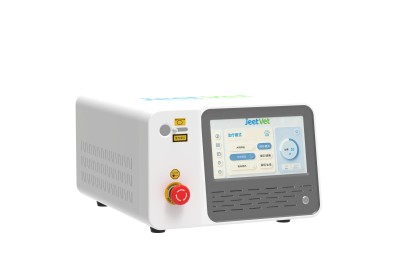
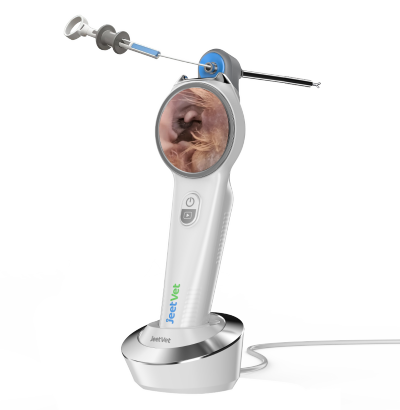
JeetVet develops portable veterinary endoscopes designed for companion animal diagnostics and minimally invasive procedures.
The JeetVet veterinary endoscope product range supports:
- Gastrointestinal examination
- Respiratory endoscopy
- Foreign body removal
- Biopsy procedures
- Lung lavage
- Minimally invasive surgery
Available features include HD imaging, 360° rotation control, water and air supply systems, working channels, smartphone/tablet/computer compatibility, and portable design for flexible clinical use.
Veterinary Endoscope vs Traditional Exploratory Surgery
| Comparison | Veterinary Endoscope | Traditional Surgery |
|---|---|---|
| Invasiveness | Minimally invasive | Invasive |
| Visualization | Direct real-time internal view | Surgical exposure required |
| Recovery | Faster | Longer |
| Patient Trauma | Lower | Higher |
| Clinical Efficiency | Diagnosis and treatment may be completed together | Often requires more complex preparation |
Conclusion
The veterinary endoscope has become one of the most important tools in modern veterinary medicine. By enabling minimally invasive diagnostics and treatment, veterinary endoscopy improves patient care, increases clinical efficiency, and reduces the need for exploratory surgery.
As demand for advanced veterinary diagnostics continues to grow, portable veterinary endoscope systems are helping veterinary professionals provide safer, faster, and more accurate care for companion animals.